Stop Wasting Food 40+ Food Waste Solutions
This post may contain Affiliate Links
If you’re looking to reduce food waste this is the post for you. Forty hints, tips and tricks to save as much food as possible from ending up in the food waste which is both great for the environment and good for saving money too.
Stop Wasting Food 40+ Food Waste Solutions
Food waste is a massive issue. Almost one-third of the food produced globally gets wasted. Around 70% of that food could have been eaten. Reducing food waste is great for the environment but it’s also good for your wallet too. Below I’ve put together some statistics regarding food waste – you might be surprised just how much edible food we throw away every day.
- 720 Million edible eggs are thrown away each year in the U.K
- 1.2 Million tomatoes are thrown away each day in the U.K
- 70% of U.K food waste is edible
Fruit and vegetables are some of the most wasted foods in the U.K. Potatoes, Bananas and Salad all come in the top five along with bread and milk. In British households, almost 6million potatoes get wastes each and every day.
1. Stop Peeling Vegetables
Peeling vegetables is something we often do automatically, but it contributes greatly to food waste and isn’t always necessary. For example, roast potatoes and mash can both be made with the skins left on. Typically I don’t peel carrots, just brush over them lightly with kitchen scourer to take off any straggly white bits. Keeping skins on actually means you’ll be eating more fibre too.
If you do feel you really have to peel all of your vegetables there are plenty of things you can do with them. Parsnip and Carrot skins can be roasted in the oven with a little seasoning to make homemade vegetable crisps. Potato peels can be made into soup, a roasted as a tasty snack or bulked out with other toppings to make a delicious new meal.
2. Eat Food Scraps
While of course some tougher vegetables will always need peeling and trimming, all the peels, ends and stalks can be chopped up and made into soup or stock. This reduces waste significantly, especially if you’re cooking something that uses lots of vegetables such as a Sunday Roast.
3. Make Vegetable Crisps
As I mentioned above, making vegetable crisps is a really cheap and easy way to make a delicious snack. Simply pop in the oven with a couple of sprays of fry-light and some seasoning and cook for 10 to 15 minutes on medium heat. If you want to spice them up a bit you could add some chilli.
4. Eat Potato Peel Instead Of Binning
Potato peel can be made into a range of delicious dishes, a few of which I’ve covered on this blog. Potato peel actually keeps really well in the fridge if covered in water – so you don’t even need to use the same day you peel the potatoes. Check out some of my potato peel recipes below.
5. Freeze Fruit & Veg Using Ice Cube Trays
Ice cube trays are a brilliant tool for freezing very small quantities of things. I recently wrote a post all about how to freeze mint leaves and the method explained there could be used for any fresh herbs or even small quantities of diced vegetables such as onions or chillis.

Ice cube trays could also be used to freeze small amounts of leftover wine or stock. The small holes mean you pop out one or two cubes as you need them.
6. Unbag Lettuce
Lettuce is one of the most wasted foods in the U.K but there are some things you can do to make it last longer. If you buy bagged salad leaves, empty them into a clean bowl and place a piece of kitchen towel on top. This will absorb moisture and help your lettuce stay fresh.
7. Avoid Cutting Lettuce
We often cut iceberg lettuce up when making salads, but using a knife causes a chemical reaction and this is what turns the lettuce leaves brown around the edges.
The best way to prepare iceberg lettuce is to first remove the stalk at the bottom by banging the bottom of the lettuce onto a work surface and then using your fingers to pull it out. The carefully separate out the lettuce leaves, tearing rather than cutting. If you do want to shred some leaves finely to be eaten immediately, for example in a prawn cocktail, tear a chunk of leaves away from the head of lettuce and shred those separately.
8. Find Better Storage Solutions
Storing fruit and vegetables correctly is the key to longevity and there are plenty of things you can do to improve their shelf life.
- Mushrooms should be kept in paper bags rather than plastic.
- Potatoes should be stored in a cool dry place to prevent them from sprouting.
- Keep fruit and vegetables apart to prevent fruit over-ripening
- Bananas go off quickest, apples last the longest so try to eat them in order
- Use silicone zip bags to keep food fresh without having to use plastic freezer bags
9. Regrow Leftover Fruit & Veg
Did you know you can actually regrow vegetables from the ends you’d normally throw away? All you need is a small dish, some water and a sunny windowsill.
The best vegetables to try this with include spring onions and lettuce. Looking after your pennies has a fantastic guide where you can see all the different foods you can grow from your leftovers.
10. Always Use The Seeds
While we’re on the subject of growing things from waste, there are plenty of foods you can grow by using their seeds. For example, if you have some tomatoes where the flesh is past it’s best the seeds can be used to grow tomato plants. The same will work with pumpkins – millions of pumpkins get wasted every year so I love the idea of using the seeds to grow your own. Here are 10 vegetables you can grow from seeds.
11. Cut Around Bad Bits
When you see fruit and vegetables that are starting to go bad, it can be tempting just to chuck the whole thing.
However, often there is still quite a large portion that can be eaten. I usually give vegetables, for example, a carrot or parsnip, a bit of a rinse under the tap before cutting away any rotten areas. Potatoes that have started to sprout are also fine to use, just cut away the sprouting areas before cooking as usual.
12. Use Fruit & Veg Scraps As Animal Feed
Even if you don’t have any pets of your own, it may be worth asking around to see if your neighbours have any rabbits or guinea pigs that might enjoy your vegetable peelings.
We had neighbours do this for us when I had a rabbit as a child and I distinctly remember them hanging bags of carrot peel on the fence at the bottom of our garden!
13. Make Snack Boxes
If you buy salad and vegetables with good intentions of eating more healthily but often find them going soggy at the back of the fridge a week later, this is the hack for you.
While it may seem counter-intuitive to prepare lots of food in advance, having vegetables ready prepared does mean we’re more likely to eat them.
At the start of the week, cut up peppers, carrots and cucumber into sticks and place them into plastic tubs with lids to help them stay fresh.
When you head to the fridge looking for a snack, you’ll be more likely to eat them if they’re already prepared.
14. Make A frittata
Frittata is one of the absolute best ways to use up odds and ends of ingredients as it’s one those ‘anything goes’ dishes. It doesn’t matter if you only have a tiny amount of something that needs using up, throw it on in and it’ll still taste great. Below are some frittata recipes for inspiration, but remember you can change up the ingredients to anything that suits you. Don’t forget this applies to leftover cooked veggies that need using up as well as raw ones!
15. Learn How To Freeze Soft Fruits
If you have soft fruits that are starting to go over then there are a few things that you can do with them. The first things that spring to my mind are smoothies and Jam but you could also freeze them to use at a later date.
While popping them all into a bag and popping them straight in the freezer may seem like the easiest solution, they will all freeze in one big clump.
To avoid this happening, set the fruits out on a baking tray a few centimetres apart and place them in the freezer, to ensure the tray remains flat.
This method will freeze the fruits individually and after a few hours, they can be removed and bagged up together. When you need them for cooking/eating you can remove as many or as few as you like.
16. Make Bread Crust Croutons
If you or your children don’t eat your crusts, they can be turned into delicious bread crust croutons which are perfect for adding to soup or salads. Once cooked they keep well for around a week in a sealed Tupperware container.
See the full Bread Crust Croutons recipe here.
17. Make Your Own Breadcrumbs
For stale bread, breadcrumbs are one of the best ways to use it up.
Leave the bread out for a day or two to really harden up or pop it in the oven on low for a few minutes and then blitz in a food processor or use a grater to make it into crumbs.
For a softer textured, fresh breadcrumb, skip the drying-out stage.
There are different types of breadcrumbs which are as follows:
Dried Breadcrumbs – Dried breadcrumbs have a finer texture than fresh breadcrumbs and are typically used for coating meat and fish.
Fresh Breadcrumbs – Fresh breadcrumbs are soft textured and haven’t been dried out. These are perfect for making dishes such as stuffing, meatballs and treacle tart as they are very absorbent.

18. Freeze Whole Sandwiches
If you’ve managed to pick up lots of cheap bread in the reduced section or have part of a loaf that won’t get used, you could try freezing whole sandwiches. Just make up a sandwich as usual, such as filling it with ham and cheese, place it in a sandwich bag and pop it in the freezer.
These can then be defrosted as needed or popped into a toasted sandwich maker. Also perfect for in the summer when you might be concerned about food being in the heat for too long.
19. Freeze Whole Loaves Of Bread For Toast
If you don’t eat many sandwiches, but love toast, you can make it with bread straight from the freezer. Most toasters have a defrost setting to account for the bread being frozen.
20. Learn How To Substitute Ingredients
I love making lots of new recipes, however, I do sometimes find they call for ingredients that I may not end up using again.
While some ingredients are completely integral to the dish, others can sometimes be substituted for something you may already have in your cupboards. If you’re not sure what to use, a quick google should do the trick.
21. Meal Planning
Meal planning can help prevent food waste and ensure that you only buy food that you really need. Here’s how I meal plan:
- Take a look through the cupboards and fridge to see what needs to be used up and what can be made into a meal.
- If there are any ‘half meals’ I add them to the meal plan and then add the additional ingredients needed to my shopping list.
- While I write down a meal for each day, we don’t always have them in order. I find this provides a balance between aimlessly wondering what to have for dinner and thinking ‘Ohh I don’t fancy that’. I have options to choose from.
- I try to plan around what we are doing as a family – slow cooker meals for days we’ll be home late, more complicated recipes for the weekend when we’re home. Cheat ingredients for busier days. All of these help us avoid takeaway.
22. Start A Daily Fridge Audit
Having a good look through your fridge each morning will allow you to see what needs using up. If I need to use up vegetables I’ll see if they’ll fit in with what I’m cooking that evening, or if I can use them up for lunch.
I often pop leftovers from dinner in the fridge so I’ll see how these are doing and pop them into the freezer if needed.
23. Weekly Freezer Audit
A weekly freezer audit is a good way to see what you have left and what can be made into meals. I usually do this along with my weekly meal plan and shopping list.
If you have lots of odd freezer bits that need using up it might be worth having a ‘Pot Luck’ dinner where anything goes rather than throwing them away.
24. Stop Yellow Sticker shopping
Yellow sticker shopping is one of my favourite ways to save money on food.
However, when there’s a shelf full of lovely bargains it can be tempting to buy everything in sight just because it’s cheap.
Make sure the food that you’re buying will get eaten by your family and won’t end up in the bin.
10 Things to do with a reduced food haul
25. Put Shopping Away Fast
I know how stressful shopping can be – especially if the supermarket is busy and you have children with you too. The temptation is dump everything and take a quick break. However, this can often lead to food spoiling, especially frozen goods such as ice cream.
26. Shop At Approved foods
If you want to help reduce food waste on a larger scale buying products that are past their best before end date could be the way to go. Approved Foods specialise in food that is close too, or just past its best before end date.
This helps prevent food from ending up in landfill and everything they sell if perfectly safe to eat.
27. Buy Some Pegs And Bulldog Clips
Bulldog clips or even clothes pegs are great for keeping food fresh, especially in opened packets. We typically use them for crisps and snacks that we won’t eat all of.
28. Eat Out-Of-Date Food
As I mentioned above, there’s nothing wrong with eating food that is past the best before the end date, which is what most store cupboard items will typically have, it might just not be at its peak quality.
Should You Eat Out Of Date Food?
29. Monthly Store Cupboard Audit
While I don’t audit my cupboard as often as I do my fridge and freezer, I do think it’s worth doing as often as you feel able. I think once a month is best. Move any foods that desperately need using up towards the front of the cupboard.
Check herbs and spices – while these are fine to eat after the best-before date, they do start to lose their potency after a while.
30. Use Up Cheese Rinds In Soups And Sauces
Cheese rinds can actually be used up in a variety of dishes. Parmesan rind is one such example – it can be used in pasta sauces, soups and stews.
31. Turn Milk into Sauce
While you can freeze milk, it does give it a bit of an odd texture when it thaws and I know a lot of people aren’t keen on this.
If I have milk that needs using it up I tend to make into sauce, such as a bechamel sauce and then freeze it to be used up at a later date. You could also try something a little more adventurous such as turning it into mozerella cheese or making your own yoghurt.
32. Make Some Yoghurt Bark
If you have yoghurt leftover, frozen yoghurt bark is a great way to get it used up. It’s easy to make and kids love it – plus you can add lots of other ingredients that might need to be used up such as fresh fruit.
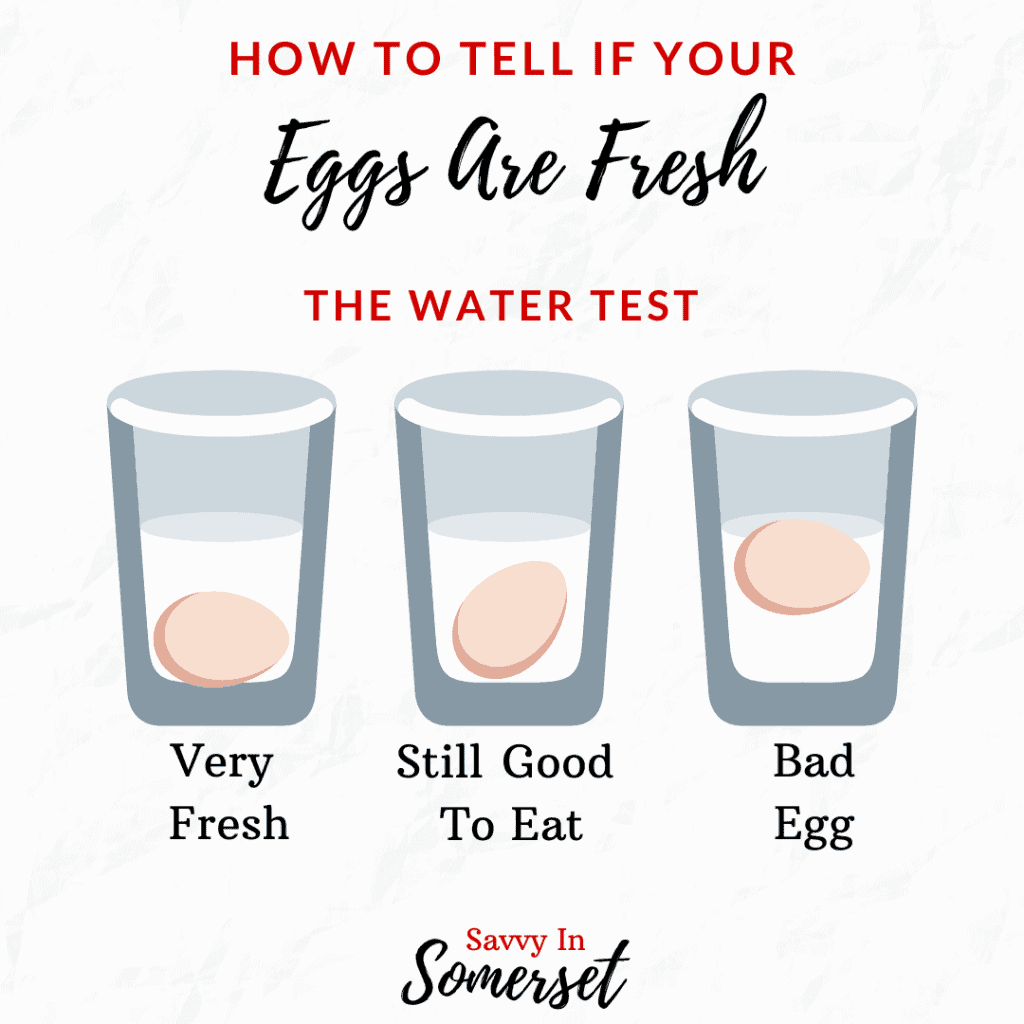
33. Test Your Eggs
If your eggs are passed their best-before date but you’re unsure whether you should eat them there is a quick water test you can do, as explained below.
34. Plan Takeaways Carefully
I’m not against takeaways on the whole but they aren’t the cheapest way to eat.
It can also be very easy to order too much which means lots of food can end up getting wasted. Whether it’s due to special offers, not being sure about portion size or needing to order enough food to qualify for delivery, we often end up with more food than we need.
Using the same takeaways regularly means you’ll get to know portion sizes and how much food you need for your family.
While a special offer can sound tempting, it’s worth checking they are the best deal for your needs – there’s no point spending extra if the extra food won’t get eaten.
Takeaway Leftovers: Are They Safe To Eat The Next Day?
Store Takeaway Food Correctly Overnight
I am a big fan of eating leftover takeaway food the next day. It stops it being wasted and means there is something easy for lunch or dinner. However, to make sure leftovers are safe to eat the following day, they need to be stored correctly overnight.
- As soon as any food that isn’t going to be eaten has cooled, it needs to be moved to the fridge. Do not eat any food that has been left out on the countertop overnight. Food then needs to either be eaten cold or reheated.
- Reheat leftover food until it is piping hot – not just the warm minimum 82 Degrees Celcius. If you’re concerned about food getting hot enough when you reheat it, it might be worth purchasing a food thermometer.
- If you don’t think you’ll be eating your takeaway leftovers the next day why not pop them in the freezer? This works particularly well for leftover Pizza. Simply defrost and reheat.
- NEVER reheat rice that has come from a takeaway as it has already been reheated once and is much more likely to contain harmful bacteria that could cause serious illness.
- The only things I would avoid refrigerating are crunchy snacks such as prawn crackers or poppadoms.
- Leftover sauces such as sweet and sour and curry sauce can be used to create other dishes later on.
35. Try Recipe Box Deliveries
Even though Recipe box deliveries aren’t the cheapest way to buy food, one thing they do well is to reduce food waste.
As you only receive the exact amount of ingredients needed for each dish, there is almost no food waste and as they are well portioned there shouldn’t be much in the way of leftovers.
This is a great way to try new dishes without having to buy herbs and spices you may only end up using for that one dish – with this approach if you’re not keen then you don’t end up with ingredients sitting in the cupboard slowly deteriorating for dishes you won’t be cooking again.
36. Cook The Right Amount Of Food
It can sometimes be a little bit tricky to cook exactly the right amount of food.
The biggest culprits here are often pasta and rice – it’s so easy just tip them into the pan without really thinking about it.
To try and avoid doing this, I now weigh all my pasta and rice before cooking it. I know it sounds faffy, but I really don’t even think about doing it now and I know I’ll cook the right amount to feed the three of us.
This post has a full rundown of how many grams you need to cook per person for most common foods like rice, pasta, frozen peas, couscous and so on >>> How Much Food To Cook In Grams
37. Rescue Overcooked And Burnt Food
Just because something is a little bit overcooked, it doesn’t mean it should automatically be discarded. Lots of food can actually be eaten, reused and rescued before being thrown away.
For example, overcooked rice can be made into congee (rice porridge), fried rice cakes, soup, frittata – the list goes on and on and this post has some excellent suggestions.
While I concede that there are occasions we may cremate food beyond any hope of repurposing, I do think when often when we overcook things our initial reaction is to throw it away in frustration as it no longer suits our immediate needs.
38. Save Small Portions
Being the thrifty person I am, I do try to save all food from waste – even the tiniest amounts.
Odds and ends of vegetables get put in a box for soup or stock.
Leftovers from our plates get put in the fridge for the next day, either as part of another meal or as a snack. A compartmentalised plant-based bento box makes turning today’s leftovers into tomorrow’s lunch a breeze.
I also freeze small portions of leftover sauce until I have three or four, enough to make a whole dish with them.
Freezing small portions of leftover adult meals also works well if you have a toddler or are starting baby-lead weaning.
39. Best Before End VS Use By
Knowing the difference between use-by and best-before-dates could end up saving you wasting a lot of food.
‘Best before’ is an indication of the quality of food. It is usually fine and perfectly safe to eat well after this date, as long as it has been stored correctly and there is no damage to the packaging. Most tins, jars and other dried goods will have a best-before date but often this can be ignored completely.
‘Use by’ is the date that food should potentially be used by. This date is used for fresh food (such as raw meat and fish) and ready-to-eat food (ham, cheese) as well as fruits and vegetables.
While supermarkets and food outlets are required by law to stick stringently to these dates and cannot sell food past them, what you do about them at home is entirely up to you.
Something you’ve bought with today’s by date is not going to give you food poisoning at one minute past midnight – so use your own judgment. Of course, if you have any doubts, throw it out, but don’t rely solely on dates.
40. And Finally. . .
If all else fails, make sure your leftover or gone-off food goes in the food waste bin rather than the main bin.
Food collected from these bins is broken down using an anaerobic digester and then turned into electricity or fuel.