
5 Tips For Buying Sustainable Clothing
This post may contain Affiliate Links
This is a sponsored post
When it comes to buying clothing there are lots of things you can do to be more environmentally friendly. In this post, I take a look at some of the ways sustainability can be at the forefront when it comes to purchasing new clothing.
5 Tips For Buying More Environmentally Friendly Clothing
1. Buy Second-Hand Clothes
If there is one thing I am passionate about, it’s shopping second-hand for pretty much everything, but especially for clothes. Around 90% of my own clothing and shoes are purchases pre-loved and I do the same for both of my children.
Here are some of the main reasons to shop second-hand:
- Buying second-hand is much cheaper than buying new.
- Purchasing pre-loved clothing can help reduce the demand for fast fashion.
- You’re helping charities and other families rather than money going to big corporations.
- Shopping second-hand is much better for the environment and can help to prevent clothes from ending up in landfill.
- You may be able to afford to buy better brands which will last longer.
My favourite place for shopping second-hand is Vinted although I do also love a good rummage around my local charity shops.
2. Shop Sustainable Brands
While I personally love shopping second-hand, I know that it’s not for everyone. It can take time to hunt down the exact things you’re looking for and even then you might not be able to find them.
And, to be honest, there are a few things which I don’t buy pre-loved, for example, leggings which most people wear until they are completely worn out anyway.
I think it’s time to move away from buying several cheap pairs of leggings that don’t last to buying one or two more expensive ones that do.
This means finding somewhere to buy from that takes sustainability seriously – when I can’t shop second hand I still want to be doing my bit for the environment.
LOVALL Leggings are made from high-quality materials that are designed to stand the test of time. As a brand LOVALL avoids flying any of its garments and ships them instead – this greatly reduces the CO2 emissions created.
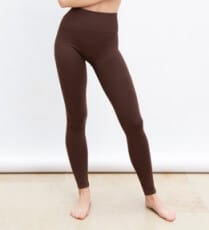
LOVALL is also working towards using 100% compostable packing and recommends washing their clothing at 30° and then air drying.
If you’re anything like me and love a discount, you can sign up to the LOVALL newsletter to get a 10% discount on your first order.
3. Take Care of Your Clothes
Taking good care of your clothes is one of the best ways to ensure they last as long as possible. This means washing less often (denim in particular only needs to be washed if very dirty!) washing at a low temperature and then air drying where possible – with tumble drying, there is always that risk of accidental shrinkage!
It’s also a good idea to pay close attention to the care labels on clothes, as some more expensive items may be dry clean only.
Sunshine can be an amazing cure for various stains, especially on white clothing.
4. Reduce, Repair, Reuse, Recycle
Reduce: When it comes to clothing and sustainability, reducing the amount of clothes we buy in the first place is a really important step to take. While it’s easy to be influenced into thinking we need to try each new fashion trend, moving towards classic pieces that will last for years is a better way to go.
Repair: Fast fashion can easily become throwaway fashion – who wants to take the time to repair something that cost very little to buy in the first place?
When we buy more expensive clothing, not only does it last longer, but we’re more inclined to look after it properly too. Basic sewing skills are easy to learn and there are plenty of Youtube and TikTok tutorials that will show you how.
Reuse: Clothing that you no longer need or want can be sold, passed on to others in need or donated to charity shops.
Reusing clothes when they are beyond all repair can prevent them from ending up in landfill too soon. Make old T-shirts into dusters and cleaning cloths and use them until they are completely worn out.
Recycle: Finally, clothes can be recycled when they are finished with. Look out for clothing banks at your local recycling centre. Remember some types of clothing that cannot be recycled, such as those with sequins.
5. Buy Classic Pieces That Will Last
Buying a few more expensive items each season and gradually creating a capsule wardrobe where everything works together is a great way to stay stylish while still taking care of the environment.
On the whole, I think we need to move away from fast fashion hauls and commit to buying less and less often.

Here are some items which never go out of fashion, and once purchased should last for years and years if taken care of.
- Leather Jacket
- Denim Jacket
- Bootcut Jeans
- Trenchcoat
- Little Black Dress
- Classic White T-shirt
When it comes to sustainability, you don’t have to be perfect. Millions of people making small changes such as buying less clothing or purchasing from sustainable brands rather than choosing fast fashion will have far more impact than a few people doing everything perfectly.



It’s getting so much easier to shop sustainably now more brands are stepping up to the plate. I’ve even seen clothes made out of recycled items in supermarkets now!
Corinne x
Yes, it’s great so many brands are trying to do better. I always feel guilty when I don’t shop second hand but there are some things that have to be bought new!