How To Lower Your Heating Bills (10 Awesome Ideas)
This post may contain Affiliate Links
This is a collaborative post
Even though winter is almost over, it’s not good news when it comes to energy bills. With the winter energy support scheme ending and bills set to rise another 20% in April, many people we are concerned about increased heating bills.
Here are ten ways to lower your heating bills in the coming months and into next winter.
How To Lower Your Heating Bills
If you’re anything like me, you’ll have spent a good chunk of this winter worrying about your energy bills.
Even with additional support from the government, the majority of people have seen a huge rise in the cost of heating their homes.
This, coupled with the increased cost of living in other areas such as groceries and petrol, has meant many of us have been worried about whether we can afford to put the heating on at all.
Recent cold snaps have meant that even the most frugal folks have been turning up the thermostat. That said, there are still things that can be done to lower your heating bills.
In this article, I’ve tried to cover a range of options, from free and thrifty to a couple that will have some initial cost but should still save money and make your home feel warmer in the long term.
1. Invest In A New Boiler
If your boiler is more than ten years old, it’s likely that it’s not as efficient as it could be and therefore is costing you more to heat your home than a newer model would.
Investing in a new boiler is an expense, but is one that will save you money in the long run.
There are also government schemes in place which could help with the cost of replacing your boiler.
2. Make Radiator Reflectors
One of the popular posts on my blog last year was this one: How To Make Radiator Reflectors In 3 Simple Steps.
Radiator reflectors are easy to make from items you should already have in your home and they work by helping to reflect heat away from cold exterior walls and back into your home.
This might not save you thousands, but it’s a simple step you can take to that should add up to small savings over time.
3. Choose Carpet Over Hardwood Flooring
While laminate and hardwood flooring are trendy, they can also make your home feel cold.
They can be chilly underfoot and the cold they emit can make it feel as though the room is taking a long time to heat up.
Opting for carpet over other types of flooring is especially important in rooms where you spend the majority of your time.
4. Pick The Right Underlay
While we’re on the subject of carpets, it’s also important to mention that you’ll need to pick the right underlay too, for maximum impact when it comes to making your home feel warmer.
Thermal underlay acts like insulation for your floor, stopping the cold from penetrating upwards from concrete or floorboards. It also traps heat and prevents heat loss from the room you’re heating.
When it comes to underlay, it’s all about tog rating (a bit like duvets!). A tog rating of 2.0 or more is key to keeping your home warmer and in turn, helping to lower your energy bills.
5. Give Your Radiators A Service
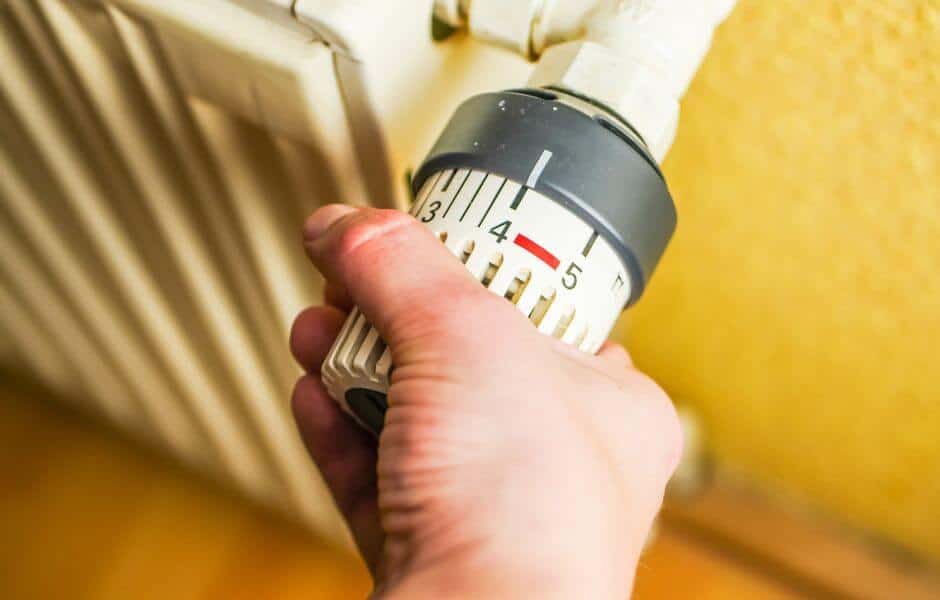
When it comes to your radiators, you’ll want to make sure they are as efficient as possible and pumping out as much heat into your home as they can.
- Give your radiators a good clean – a build-up of dust can cause heat loss.
- Bleeding radiators can help to make sure there are no blockages or air pockets and ensures the whole of the radiator is getting hot.
- Move furniture so it isn’t blocking your radiators and preventing heat from circulating around your home.
Related Post: How To Get More Heat From Radiators
6. Eliminate Draughts
There’s nothing worse than spending out on heating for your home to still feel cold and draughty.
There are some cheap and easy fixes when it comes to eliminating draughts, such as replacing sealant around windows (see this guide for how you can do it yourself) or buying draft excluders that fit the bottom of your doors.
7. Switch Off Radiators In Rooms You Don’t Use
This may seem like an obvious tip, but don’t forget to turn off radiators in rooms that you don’t use, or don’t use very often.
This could be guest bedrooms, bedrooms of children that are away at uni (of course you can switch it back on when they visit!) or a little used study or office.
8. Invest In Smart Technology
I feel really lucky that when we moved into our house and upgraded to a new boiler, it came with a smart thermostat as standard. This means we can control our heating from an app on mine or my husband’s phone.
This is perfect for days when we’re going to be home later than planned – we can adjust the heating so it comes on at a different time.
While there is an initial cost involved, the money you save having full and easy control over your heating should pay for itself after one or two winters.
Just be aware that some providers have a monthly charge on top of the initial cost of the thermostat.
9. Turn Your Heating Down By 1 degree
According to experts, turning your heating down by just one degree could save as much as £80 each year. This is a really easy step to take that could lower your heating bills by quite a significant amount.
10. Adjust The Flow Temperature On Your Combi Boiler
If you have a combi boiler then adjusting the flow temperature could help you save some cash and it’s worth pointing out that this is different to changing the temperature on your thermostat.
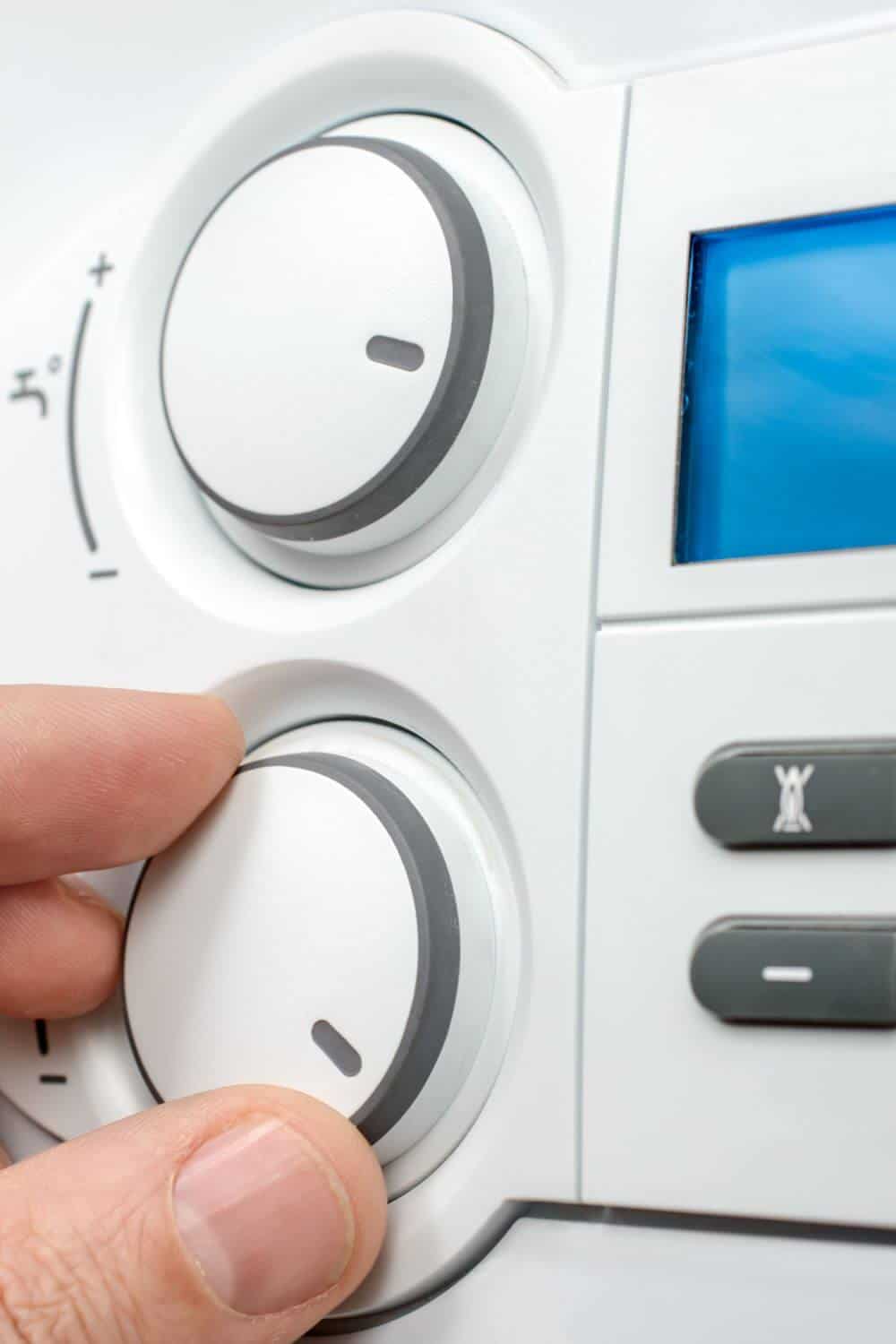
The Energy Saving Trust has a great guide on exactly how to do this, which you can find here: Should I Adjust The Flow Temperature On My Boiler?
Hopefully, a combination of two or more of these tips should help you to lower your heating bills both now and in the future.
Have I missed anything? Let me know in the comments if you have a great tip!