How To Live More Sustainably At Home
This post may contain Affiliate Links
This is a sponsored post
Living more sustainably can feel like a big change, but it doesn’t have to be! The trick is to make small incremental changes, and what better place to start than at home?
We’ll explore practical tips and strategies that are not only easy to add to your routine, but are also effective. From reducing energy consumption and minimising water usage, to sustainable shopping and greening your cleaning routine, here are some tips to help you get started on living more sustainably at home.
Minimising Water Usage
Water is an essential of life, yet it’s a resource that can be easy to take for granted. Conserving water is not just about reducing your utility bill (although this is a nice bonus!), it’s an important step towards a more sustainable lifestyle. So, how can you make a splash in water conservation?
- Fix those leaks: a dripping tap might seem harmless, but it can waste up to 20,000 litres of water per year! Grab your toolbox or call a plumber and fix those leaks to get that flow under control.
- Install low-flow fixtures: switching to low-flow faucets and showerheads can reduce your water consumption by 40% or more. These fixtures are relatively inexpensive and easy to install, making them a no-brainer if you’re looking to save water.
- Optimise daily routines: small changes in your daily habits can make a big difference. For instance, turning off the tap while brushing your teeth can save up to 12 litres of water every time. Or opting to pack a reusable water bottle rather than buying single-use water bottles while you’re out and about.
- Harvest rainwater: why let all that precious rainwater go to waste when you can collect it for later use? Rainwater harvesting systems are becoming increasingly popular and can be used for watering plants, flushing toilets, and even washing machines.
- Greywater recycling systems: greywater is the water that comes from sinks, showers, and washing machines. With a greywater recycling system, you can treat and reuse this water for purposes like irrigation and toilet flushing. It’s a win-win for you and the planet!
By implementing these tips, you’ll not only be saving money but also contributing to a more sustainable future. Every little bit helps!
Reducing Energy Consumption
From lighting up our homes to keeping our food fresh, energy is an integral part of our daily lives. However, the way we consume energy can make a huge impact:
- Light up your life with LEDs: one of the simplest ways to start is by switching to LED bulbs. They use up to 80% less energy than traditional bulbs and last much longer.
- Get smart with thermostats: smart thermostats are a game-changer when it comes to energy efficiency. These nifty devices learn your habits and adjust the temperature accordingly, ensuring that you’re not heating or cooling your home unnecessarily.
- Unplug and unwind: did you know that your devices consume energy even when they’re turned off? The solution is simple – unplug devices when they’re not in use or use a smart power strip that cuts off power when devices are idle.
- Choose energy-efficient appliances: when it’s time to replace or buy new appliances, use an Energy Rating Calculator to choose ones that have the lowest running costs and use the least energy.
Sustainable Shopping and Waste Reduction
Are you tired of the endless cycle of buy, use, toss? Well, it’s time to break free and embrace the world of sustainable shopping and waste reduction.
Every product we buy has a lifecycle – from production to disposal – and each stage comes with its own environmental footprint. The first step in sustainable shopping is to opt for eco-friendly products. Look for items made from renewable or recycled materials, and always check for certifications like Fair Trade or Organic. These labels indicate that the product meets specific sustainability standards.
Waste Reduction Strategies
- Composting: turn your kitchen scraps into valuable compost for your garden. This helps reduce waste and enrich your soil at the same time!
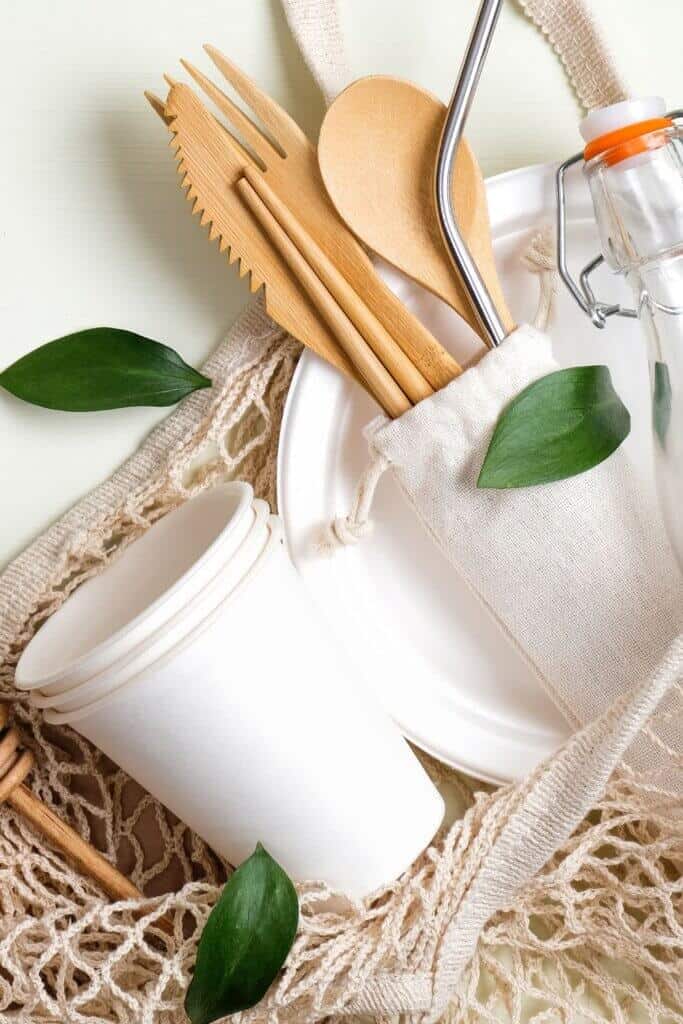
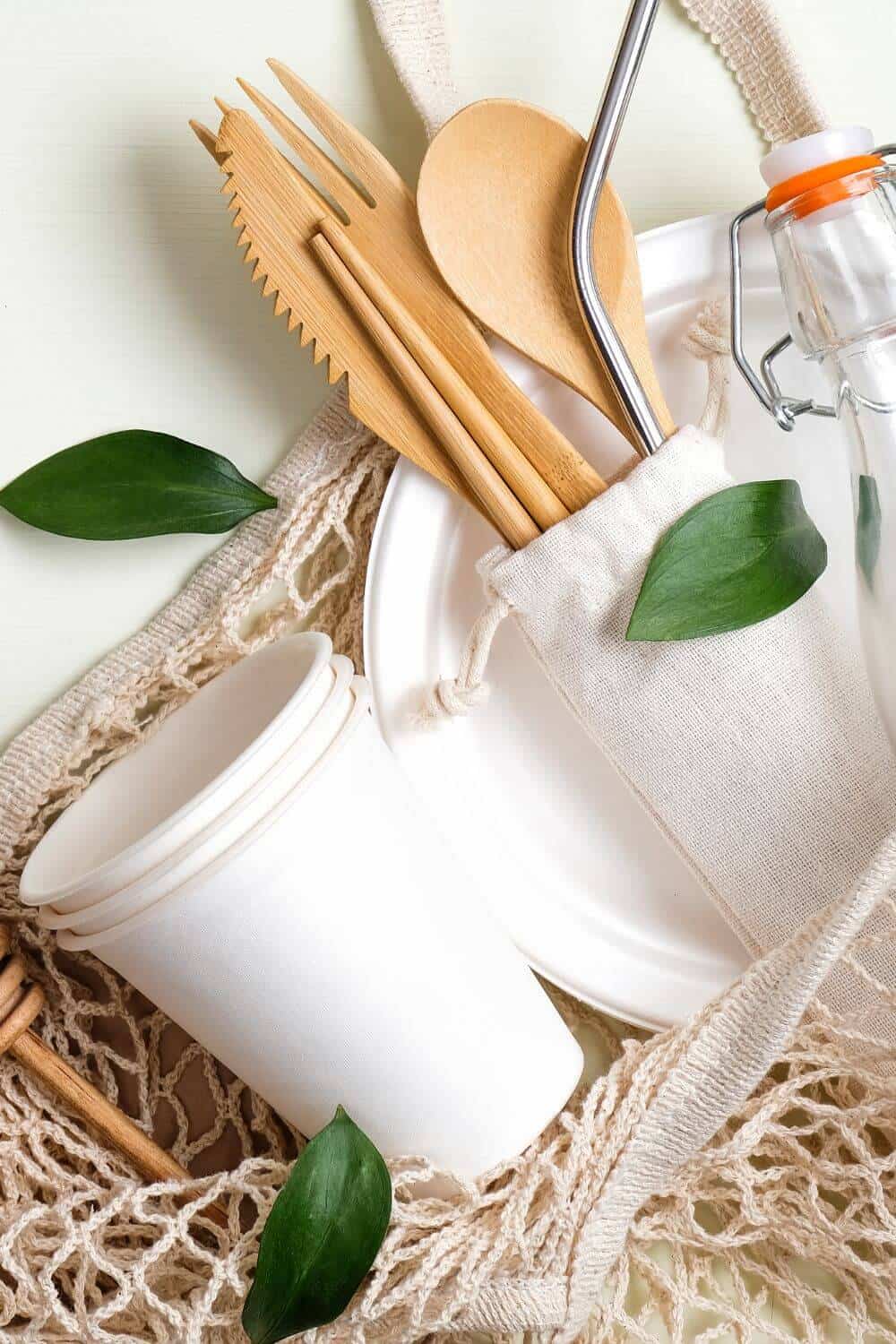
- Reusing: one way to combat waste is to reduce consumption of single-use plastics. Opt for reusable items like coffee cups, water bottles, and shopping bags instead.
- Recycling: always separate your recyclables from your general waste. And remember, not all plastics are recyclable, so be sure to check the recycling symbols on the packaging.
- Upcycling: before you throw something away, think about how it can be repurposed. An old T-shirt can become a cleaning rag, and a glass jar can be transformed into a storage container.
Greening Your Cleaning Routine
While a sparkling home is a joy, many cleaning products can be harmful to both the planet and your health. But don’t worry, we’ve got some solutions that will keep your home clean and your conscience clear.
The market is now flooded with eco-friendly cleaning products that are both effective and gentle on the planet. Look for cleaners that are biodegradable, phosphate-free, and made from plant-based ingredients. These products often come in sustainable packaging, reducing their overall environmental impact.
Green Cleaning Practices
- Reduce paper towel use: instead of reaching for a paper towel every time you spill something, opt for reusable cloths or rags. You’ll be surprised how much waste you can reduce!
- Reusable cleaning tools: ditch the disposable mop pads and dusters. Invest in reusable, washable cleaning tools that you can use time and time again.
- Non-toxic cleaning solutions: make your own cleaning solutions using natural ingredients. Not only are they effective, but they’re also free from harmful chemicals.
Your Journey to a Sustainable Lifestyle
We’ve covered a lot of ground today, from conserving water and energy to making smarter shopping choices and even greening your cleaning routine. By implementing these practical tips and strategies, you’re not only making a positive impact on your home, but also contributing to global efforts to protect our beautiful planet. Here’s to a cleaner, greener, and more sustainable you!