
Beat Rising Food Costs: 10 Awesome Tips
This post may contain Affiliate Links
While many of us have enjoyed the sunshine and scorching weather this summer has brought, it has also wreaked havoc throughout the farming industry. Many areas of the U.K went without rain for up to fifty days and this of course had a hugely detrimental impact on both crops and livestock and will in turn cause rising food costs
So far, the worst affected products are lettuce, strawberries, carrots and wheat. It’s predicted that the price of a single lettuce could rise to as much as £3 in the coming months and the farm gate price of carrots has also risen by 80%.
The hot weather has also affected dairy farmers whose cattle have been unable to graze and therefore are having to buy in extra feed. The cost of this is then passed onto the customer meaning we’ll also see an increase in the price of milk.
Finally wheat crops are struggling and this of course affects a variety of products, many of which are household staples such as bread, cereals and oats.
Overall the cost of food as risen by 1.9% in the last few months and while this is below the rate of inflation it could still see an increase of around £7 per month to our monthly shopping bill. Over the course of a year that comes in at almost £80.
With many families already struggling to get by and the economy facing an uncertain future due to Brexit, even this small increase could have a huge impact on some peoples already tight finances.
Here are my top ten tips for keeping down the price of your weekly shop and beat rising food costs.
1. Food Shop Online
I’m the first to admit that shopping online can be a bit of a double-edged sword in terms of money-saving.
Supermarkets are notorious for getting us to buy things we don’t want and when shopping online they can track what we buy and try and tempt us with special offers which we might not have normally bought.
Of course, this can also be true of shopping instore.
For me, the biggest pros of shopping online are:
- Taking advantage of new customer discounts – at the time of writing Waitrose have £20 off your first five shops of £60 or more. Yes, Waitrose is a little more expensive than some other supermarkets but they do match their branded products against Tesco so if you love the big brands this could be a great way to save.
- Easily being able to search for the cheapest products – for example, shopping at Asda just type in ‘Smart Price’ in the search bar and it’ll show you all the smartprice products in one place.
- It’s easy to keep track of how much you’ve spent – while you can take a calculator to the supermarket with you shopping online makes this easy.
- There are no children or partners to add random bits to the trolley so sticking to a list shouldn’t be a problem.
As with anything, there are a few negatives to shopping online as well.
- No yellow stickers – buying reduced items, especially meat, is one of the biggest ways I save on my shopping.
- Delivery. If you need a more expensive delivery such as a Saturday slot then the cost could negate any savings.
- Aldi is the cheapest supermarket according to which and they don’t offer online shopping.
See my full post on how to save money when shopping online here.
2. Taste It Don’t Waste it
The average family throws away as much £30 worth of food each week and some of the biggest culprits here are fresh fruits and vegetables.
Soft fruit, in particular, goes off very quickly if not used and is rarely cheap to buy in the first place. Try to make sure it’s eaten before it becomes a horrid mushy mess and if it’s on the turn it could be made into a delicious smoothie.
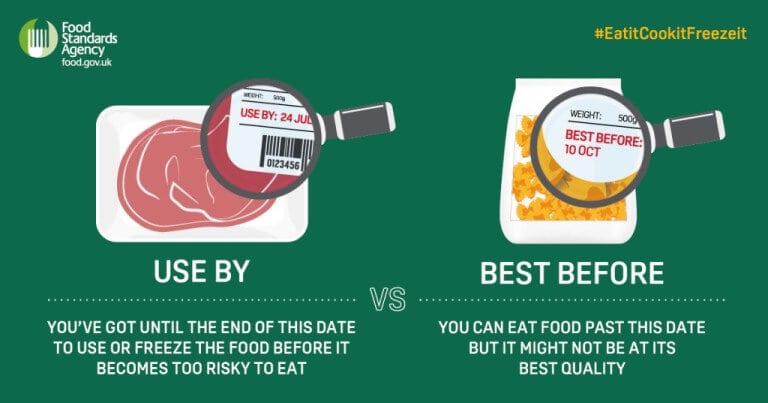
Vegetables that are on the turn can be peeled and made into soup, herbs into pesto and frozen and so. It’s also worth remembering the difference between best before and use-by – they’re not the same thing and even some use-by dates can be taken with a pinch of salt.
Remember, food doesn’t suddenly become inedible at one minute past midnight on its use-by date. Use common sense and take a good look, feel and smell of food before deciding whether to bin it!
3. Frozen Is Fresher
There always seems to be a bit of a stigma around frozen food – that it’s not as healthy or as good as its fresh counterparts.
However, what we need to remember is that frozen food is often frozen within an hour or so of being picked, caught or killed.
Fresh food, on the other hand, can be hanging about for days while it’s packed and then transported to the supermarket giving it more time to begin to deteriorate.
You may also be surprised to learn that some supermarket products marketed as fresh have been previously frozen, particularly in the fish and bakery sections.
Often they will have a label that says ‘Not suitable for home freezing’ even though it might well be something you would normally freeze.
Frozen veggies are almost always cheaper – in particular, greens such as spinach, peas and green beans where you get far more for your money. Frozen fruit is usually cheaper too – perfect if you use it for smoothies or baking.
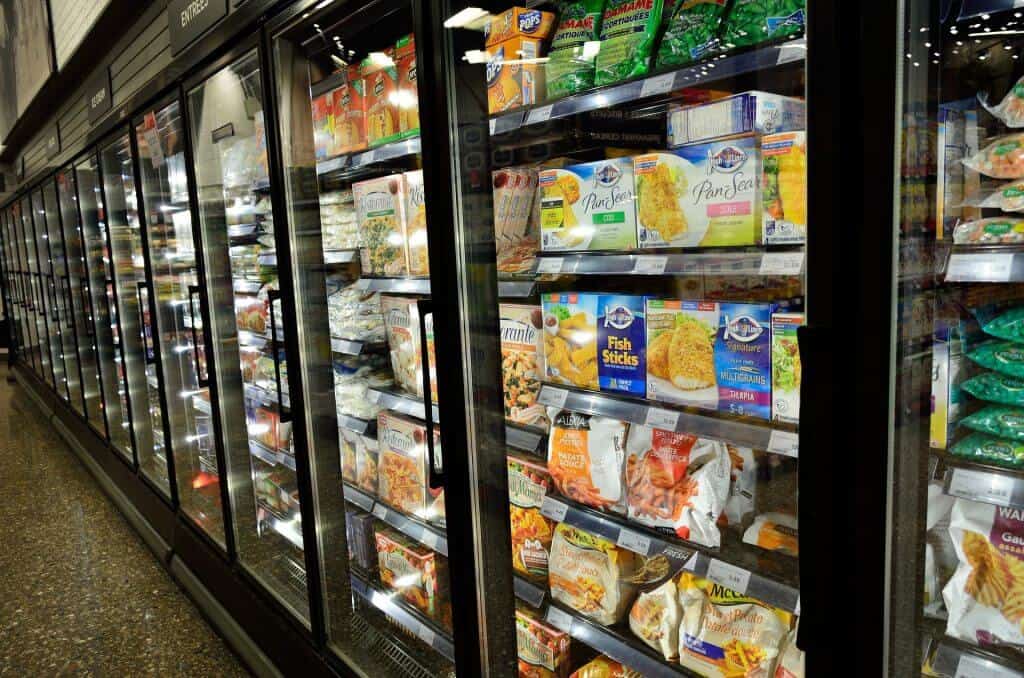
Frozen fish is often not only cheaper, but fresher too – see this post for more details.
4. Become a Reduction Aisle Raider To Beat Rising Food Costs
One of my favourite ways to save money is raiding the reductions aisle late at night for all the best bargains. Doing this has helped me significantly reduce my food bill.
It’s amazing what you can find in the reduced aisle – it can take a bit of time to establish the best times to visit and some supermarkets start reducing food as early as midday – but it can also be a lifesaver if you’re on a tight budget.
Supermarket Reduction Times: The Best Times For Yellow Sticker Shopping
Here are my top tips for getting the most out of reduced food:
- Only buy items you will genuinely eat. Seeing all the cheap food can send people into a bit of a frenzy but remember you’re not saving money if you wont end up eating it!
- Knowing what can and can’t be frozen means you’ll get the best out of what you’ve bought.
- It’s not just fresh produce that gets reduced. Look out for everyday items that might be changing packaging or are end-of-line.
- Christmas Eve, New Year’s eve and the week in between are particularly good for reduced bargains. Also the Saturday before Easter Sunday.
5. Beat Rising Food Costs By Buying In Bulk
Something I’m guilty of is not buying things in bulk.
I tend to grab small packs of pasta most weeks, rice every couple of weeks and so on.
While I know buying huge bags of potatoes or carrots from a farm shop just wouldn’t work for us as we wouldn’t use them I need to make the effort to buy other things in bulk to save money.
If you use a lot of vegetables, the Christmas period is a great time to stock up. Many supermarkets have a surplus and last year were giving bags and bags of them away for free.
Vegetables can easily be blanched and frozen or made into dishes such as soup and vegetable patties, both of which freeze well.
See this post for details on how to prep vegetables in bulk for the freezer.
6. Meat Free Wednesday is the New Meat Free Monday
Ahhh, Meat Free Monday.
It sounds like such a good idea in practice.
However, Monday night is not the best night of the week to go meat-free.
Even though only 1 in 5 Brits now have a roast every Sunday, that’s still 20% of the population.
Monday night should be all about using up tasty roast leftovers and re-purposing them into something delicious.
From classic bubble and squeak to a winter-warming chicken and vegetable soup make sure every last scrap of that Sunday lunch you spent hours slaving over gets eaten up. Save the meat-free fun for later on in the week.
7. Do Not Stick To The Status Quo
Despite meal planning in an attempt to save money, like many families we do find ourselves cooking the same meals over and over.
In some cases it is because they are cheap, others are our favourites and some because we know everyone likes them (hello pizza night!).
However, they do say a change is as good as a rest. Shaking things up in the kitchen could mean you discover new meals that are cheaper to make or that help use up leftovers.
See this post for some of my favourite cookbooks that will hopefully give you some inspiration to get started.
I know all too well how easy it is to put the same old things in the trolley week after week. However, a few small changes could make a huge difference.
- It can often be almost the same to price to buy a whole chicken as it is to buy two breasts. Simply buy the whole bird and remove the breasts yourself. Then use the remainder to make another meal, or even two.
- Pork and Turkey mince are much cheaper than minced beef. For something like bolognese or Chilli, you could try 50/50 beef and pork.
This could also apply to where you shop.
While both Lidl and Aldi continue to gain popularity some folks are still very nervous about shopping at these discount giants.
Rather than attempting a whole week’s shops, it might be better to try them for a mid-week top up while you slowly get to know your way around and become more familiar with where everything is.
8. Bulk Out Meals To Spend Less
Bulking out meals can help save money and make sure everyone in your family leaves the dinner table full up while still saving money.
Adding things like a bread basket to the table or vegetable soup as a starter means that everyone is getting more to eat but there’s no need to make more of the main meal which is likely to contain more expensive ingredients such as meat.
See this post for how to bulk out meals for growing families
9. Look At Cooking Costs
While food is, of course, one of the biggest costs we face, it might also be worth looking at how you cook and prepare food to see if any savings can be there.
A roast dinner, for example, uses a lot of electricity, with several hobs and the oven all on for a considerable amount of time.
However, a Pot Roast is a very similar meal but only requires the oven to be on as all the ingredients are cooked together.
This is also where slow cookers come into their own – they are perfect for preparing one-pot meals such as stews and casseroles and use very little electricity even though they are on all day.
Air Fryers are much cheaper to run than an oven, especially if you’re only cooking for one or two people.
10. Accept That There Are Some Things You Will Need To Pay More For
Certain items are likely to increase in price that you can’t do much about.
The biggest one of these is milk. Dairy farmers in the UK have already fought hard in recent years to be paid fairly for their milk by the big supermarkets.
This year’s extreme weather has affected crops meaning farmers have already had to use feed that had been set aside for the winter months. In turn, this means farmers will need to buy additional feed and that cost will be passed onto the consumer.
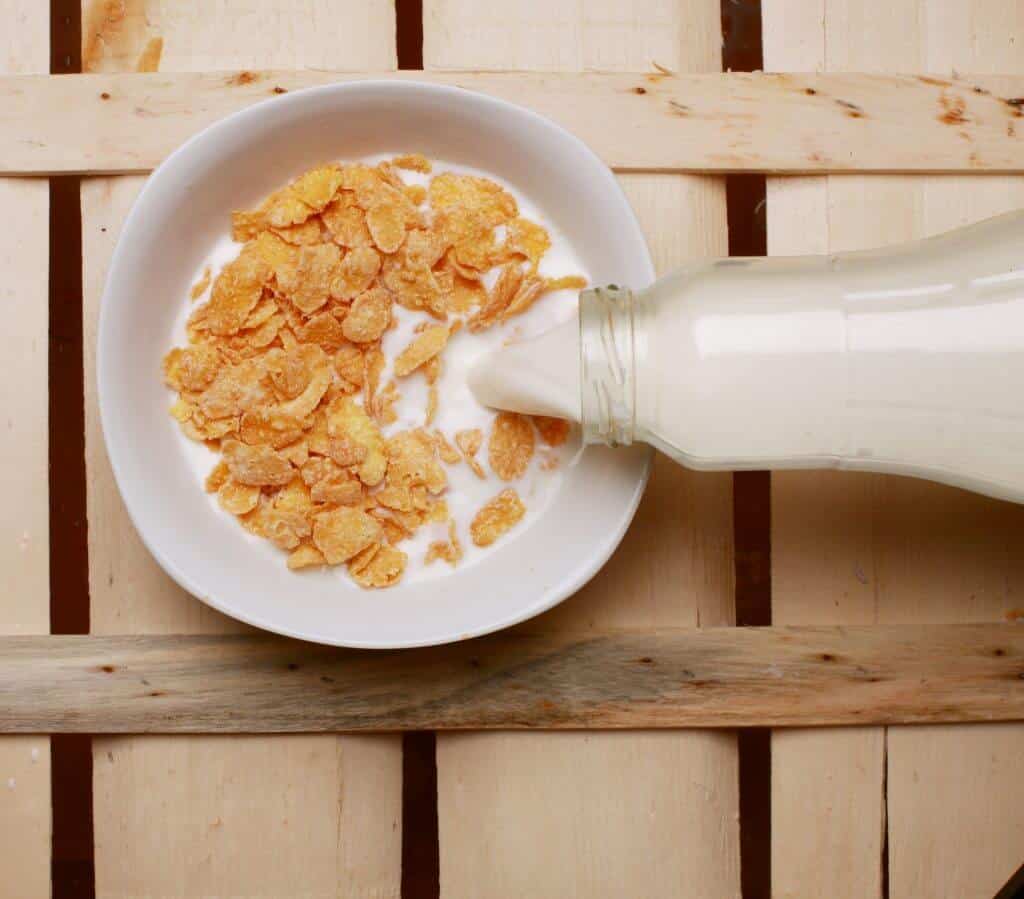
While I do occasionally see milk reduced in the supermarket, I don’t think it’s worth buying unless you’ll use it that day or the day after or you use a heck of a lot of milk.
A two-pinter usually lasts us a week so milk is one thing I always pay full price for!
More Supermarket Savings
The cost of groceries continues to skyrocket, with items seemingly increasing in price week on week. These guides cover lots of tips for reducing costs.
- Save Money On Groceries: 40 Frugal Food Hacks
- Spend Less on Groceries For Vegans
- How To Spend Less On Groceries
- How To Start Meal Planning And Save Money
- 9 Grocery Delivery Hacks To Save Money
- Saving Money On Your Online Food Shop
- How I Find Cheap Food Every Week
- How I Write My Weekly Shopping List To Save Money
- How To Reduce the Cost of Your Weekly Shop
- 11 Easy Ways to Save Money on Food
If you’re trying to make your money go further, you’ll find plenty more inspiration in my Money Saving Hub, packed with practical tips to help you save on everyday expenses.


£50 a month is amazing! Especially if you eat meat – I don’t so I don’t really know, but I always think that decent quality meat looks expensive! Is that for one person or more? I used to budget £120 a month for 2 people (several years ago) but I know I’ve let that slide recently. I’ll be reassessing and reminding myself to follow some of these tips in the next couple of week.s