
Tips For Foraging In Autumn
This post may contain Affiliate Links
Foraging is a great way to find food for free, reduce food miles and explore making some tasty recipes from local produce. Foraging in Autumn can be very rewarding as it’s one of the best times of year to find berries, nuts and more.
One thing I love is getting free food and it often comes from different sources. Sometimes I’ll get a free meal when doing some Mystery Dining or I’ll be taking advantage of free food offers on apps like CheckoutSmart and Shopmium.
Another way I love to get free food is foraging. I feel lucky that living close to the countryside it’s really easy to find food to forage. For example, there are blackberries growing at the end of my road and all along the canal that runs behind my house.
What Is Foraging?
Foraging means searching for food in the wild and can be applied to both humans and animals. It’s rare that humans could find enough food from foraging alone to live off but it can be a great way to supplement what you have at home, especially if you enjoy the countryside and have a good knowledge of plants.

Foraging In Autumn: Is Foraging Legal?
The rules around foraging are a bit complicated. Technically, for any type of foraging, you need the landowner’s permission.
However, if you are only taking food for yourself there are laws that prevent landowners from suing you just for picking one apple or a few blackberries.
There are also local bylaws to consider, which may have been put in place by the local council, Woodland Trust or National Trust. Also, in London, it’s illegal to forage in any of the royal parks or on royal land.
Even if you are picking fruit from a neighbours trees which are hanging over into your own garden, technically you still need their permission but it’s unlikely they would even realise.
Foraging can also prevent food from going rotten and therefore going to waste. The biggest things to remember when it comes to foraging are:
- Double-check land isn’t protected before you forage.
- Only take what you need – leave plenty for others and for wildlife.
- Do not dig up any plants – only pick leaves, nuts or fruits.
- If unsure, seek the landowner’s permission.
- Avoid foraging on obvious farmland.
- Do not forage food for commercial gains – such as picking wild fruit to sell on at a market.
Autumn Foraging: Foraging In September
Blackberries
Blackberries are probably one of the most abundantly foraged foods in the U.K due to how common they are among our hedgerows. While they are usually found from the end of July and throughout August, there are often still plenty left as we head into September as well.
Blackberries can be quite pricey in the supermarket so bagging some free is a great thrifty way to get some extra fruit into your diet.

Blackberries are most commonly eaten as they are (after a gentle rinse under the tap) but are also added to crumbles and made into jam or jelly too.
For something a bit more grown-up, you could try making Blackberry Gin or Blackberry Vodka.
I’m also a big fan of whipping up a simple blackberry coulis and mixing it up with whipped cream and meringues to make a sort of ‘blackberry mess’.
Hawthorn
Hawthorn is most commonly found in hedgerows, especially those around farmlands and as the name suggests, the branches have thorns. The berries are red and the leaves look similar to oak leaves.
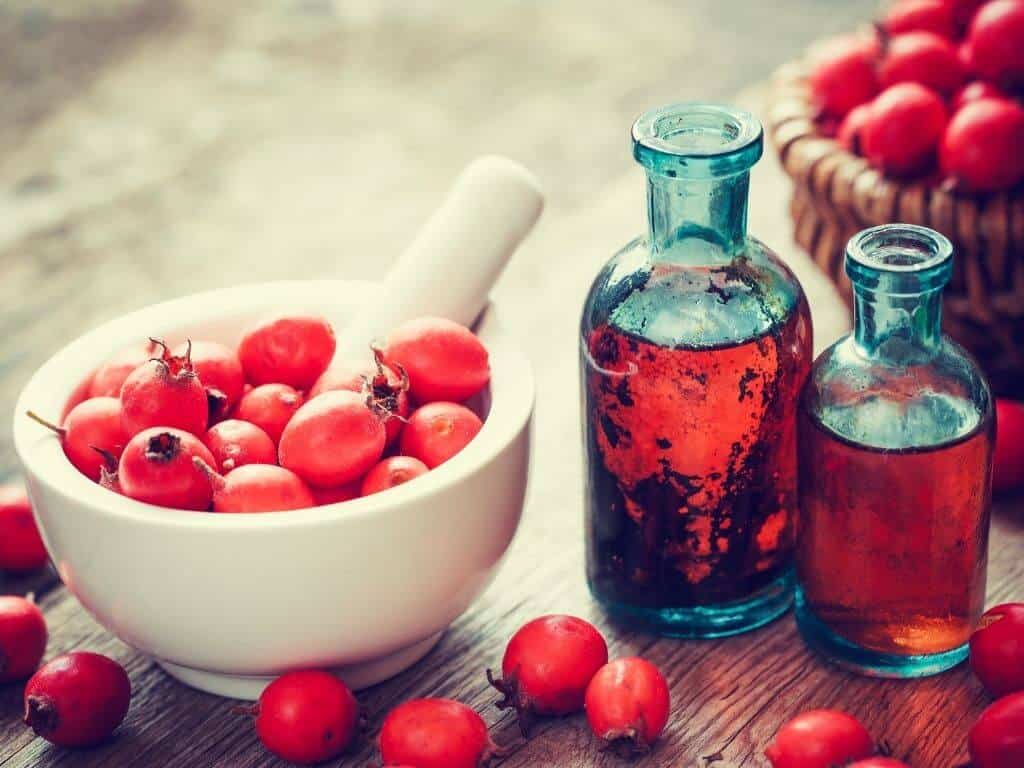
Hawthorn berries, also called haws have a multitude of uses but are particularly good in jams and jellies as they have such as high pectin content. Hawthorn Ketchup is another popular way to use these berries up.
Sloes
Sloes look like a cross between a blueberry and a plum and can be picked from the end of September right through until December. Most commonly found in hedgerows, trees are often abundant with fruit. during the autumn months. They can be pretty tall though so you may need a ladder or to pick fruit that has already fallen.
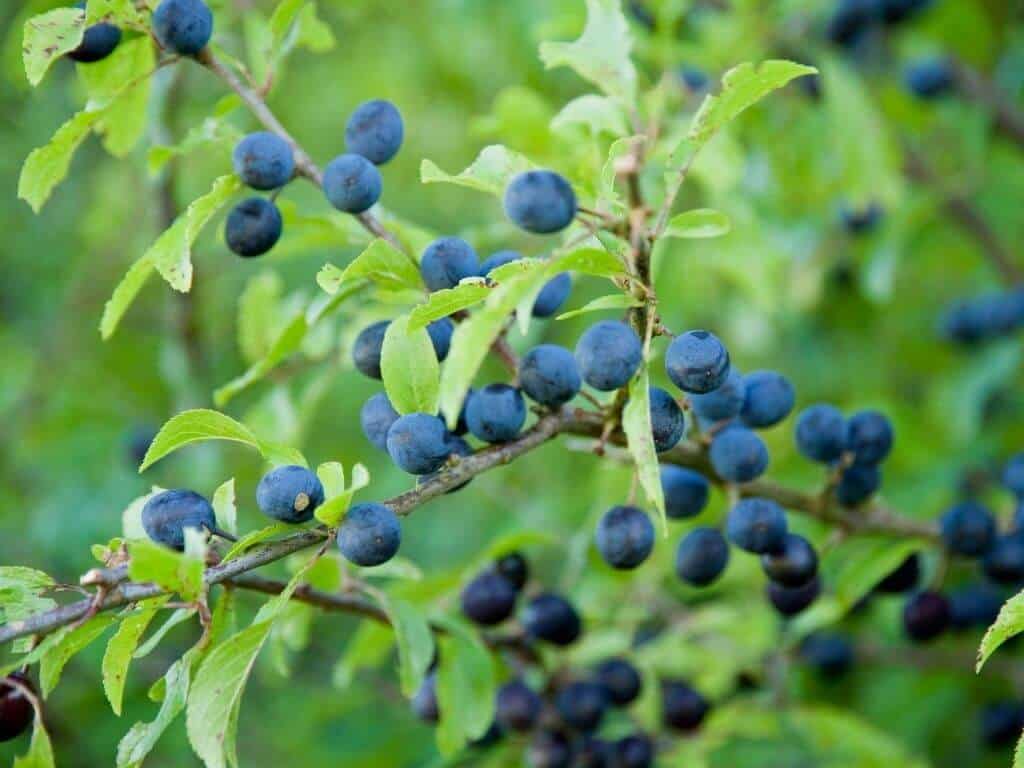
By far the most popular use for sloes is to make sloe gin but they can also be used in jam and even whiskey.
Wild Strawberries and Raspberries
Wild strawberries and raspberries are a pretty rare find so be extra careful not to overpick if you do come across them. Wild strawberries can be distinguished by the seeds that stand out more than on a normal strawberry and they often much smaller too.
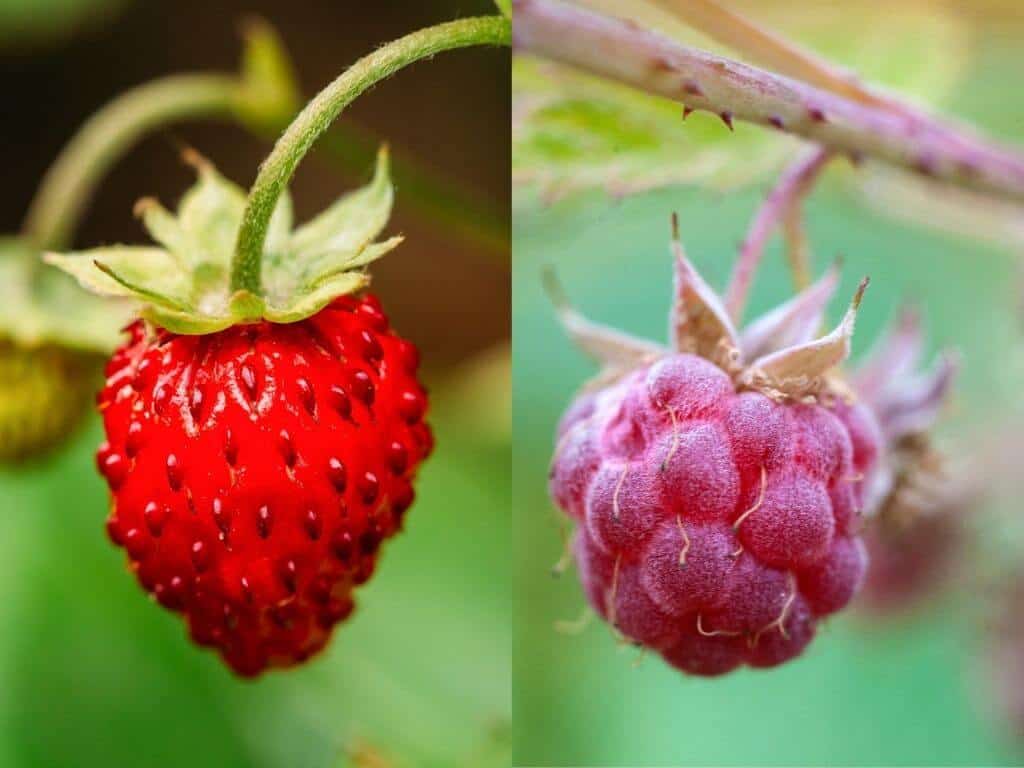
Both wild strawberries and raspberries are not nearly as sweet as their commercially or even homegrown counterparts so are best eaten sprinkled with sugar or liberally doused in cream.
As they are quite an unusual find in the wild I think it’s unlikely you’d find enough to make any preserves.
Other foods to forage in September:
Elderberries, Bilberries, Walnuts, Beechnuts,
Foraging In The UK: Foraging In October
Rosehips
While rosehips are occasionally ready by the end of the summer months, they are most commonly ripe during October. They don’t need to be soft to be picked, just ensure they are red or orange with no green areas left. They are usually found growing in woodlands or by the side of the road.

So, what to make with rosehips? Rosehips are often made into a syrup or cordial. They can aslo be paired with other ingredients such as crabapple to make jams and jellies.
Damsons
Damons look a little bit like plums although are usually smaller and don’t have that same telltale groove. Of course, the colour is different too, with damsons being a beautiful shade of blue with a slight hint of purple.
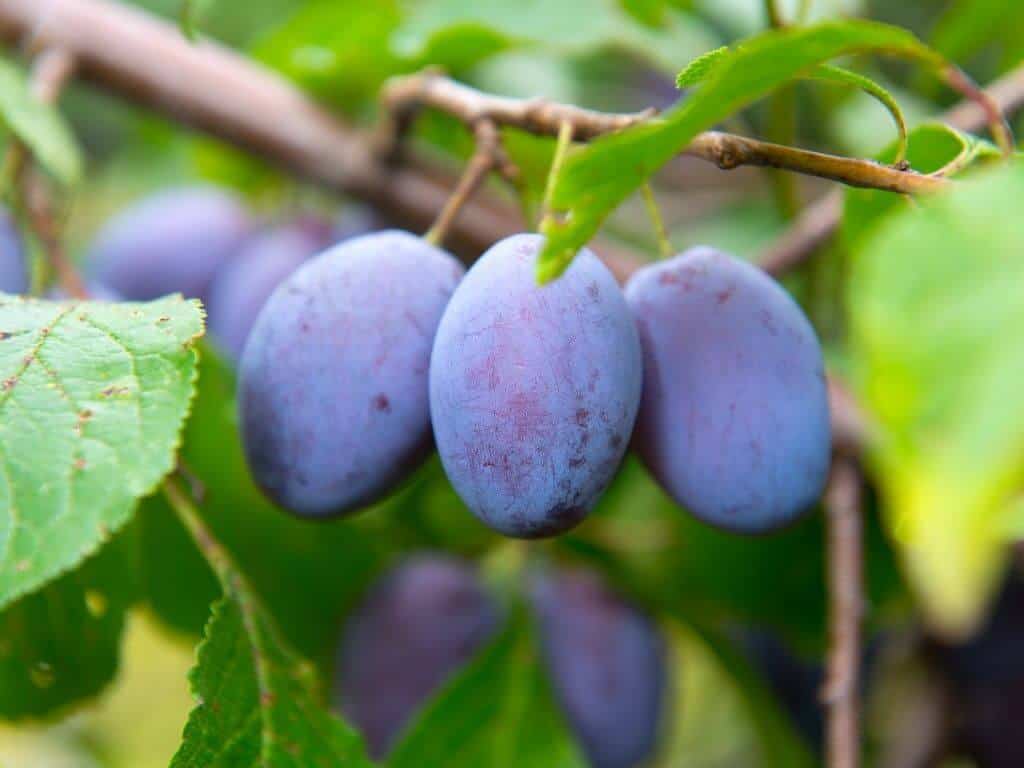
Damsons are most commonly used to make damson jam but can also be used to make a crumble, damson gin, and damson vodka. Damsons actually freeze really well so this is also an option if you end up with more than you know what to do with!
Hazelnuts
If you come across an abundance of wild hazelnuts then you are extremely lucky mice or squirrels haven’t gotten there first!
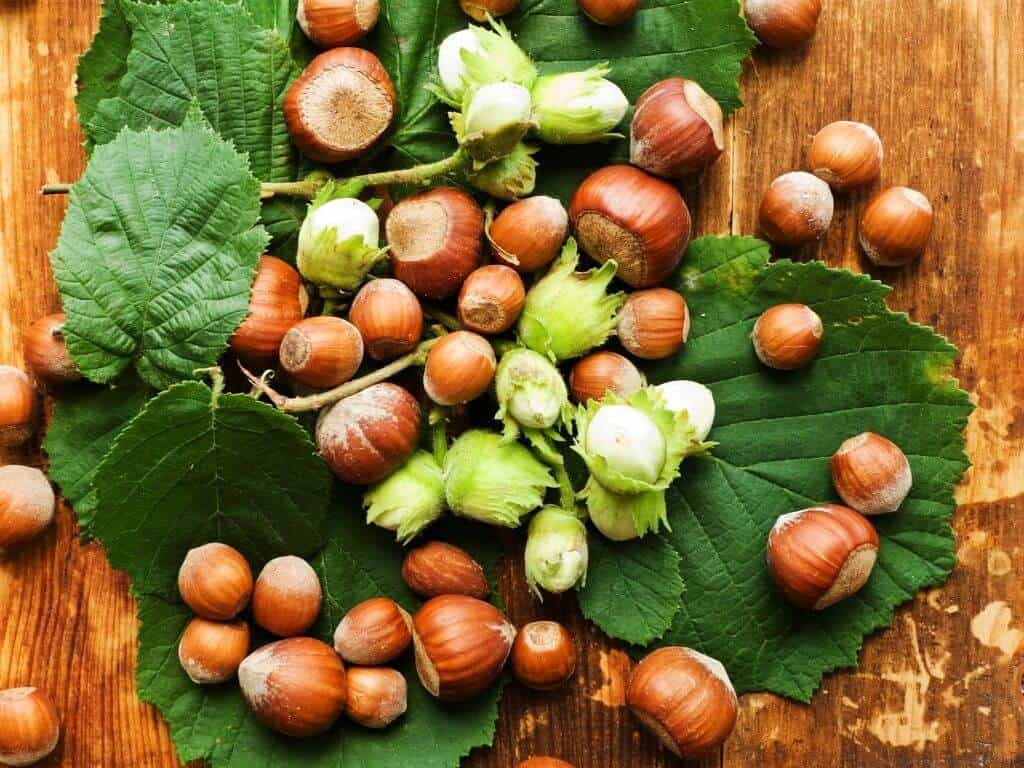
The best thing to do with hazelnuts is to remove the hard outer shell and roast them in a hot oven.
They smell amazing while cooking and taste much better cooked than raw.
Ceps (mushrooms)
I wasn’t sure whether or not to include mushrooms in this list or not. I would advise they are best left to the more experienced forager or at the very least you consult a wild mushroom guide to ensure the mushrooms you are picking are safe to eat. If at all unsure, it’s probably best to leave them.
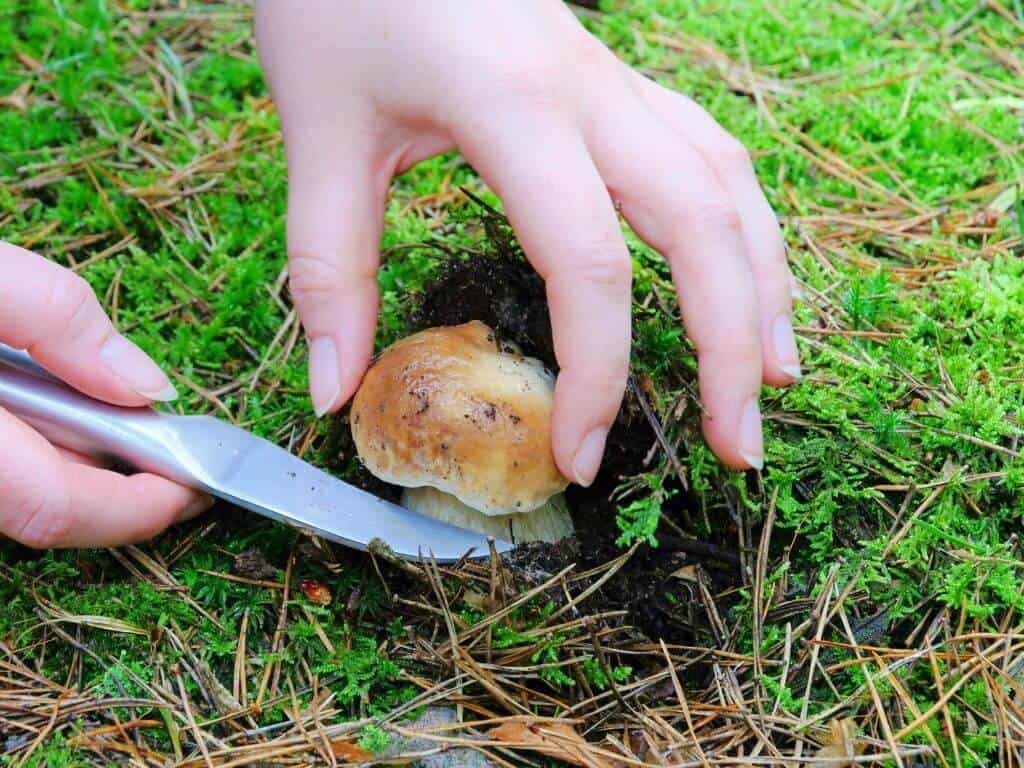
Above warning aside, October can be an excellent month for finding wild ceps. They can be used in most ways you’d usually use mushrooms, however, as wild specimens are particularly delicious I’d be inclined to use them in something where the mushroom is the star of the show – homemade mushroom ravioli for example, or a slightly simpler garlic mushrooms on toast.
Other foods to forage in October:
Mussels, Apples, Giant Puffball Mushrooms, Oyster Mushrooms (again please be extra careful with mushrooms!), Chickweed.
Foraging In November
Rowan
Rowan berries are easily spotted as autumn approaches winter due to their bright red colour. They are found throughout the U.K but especially in the Scottish highlands.
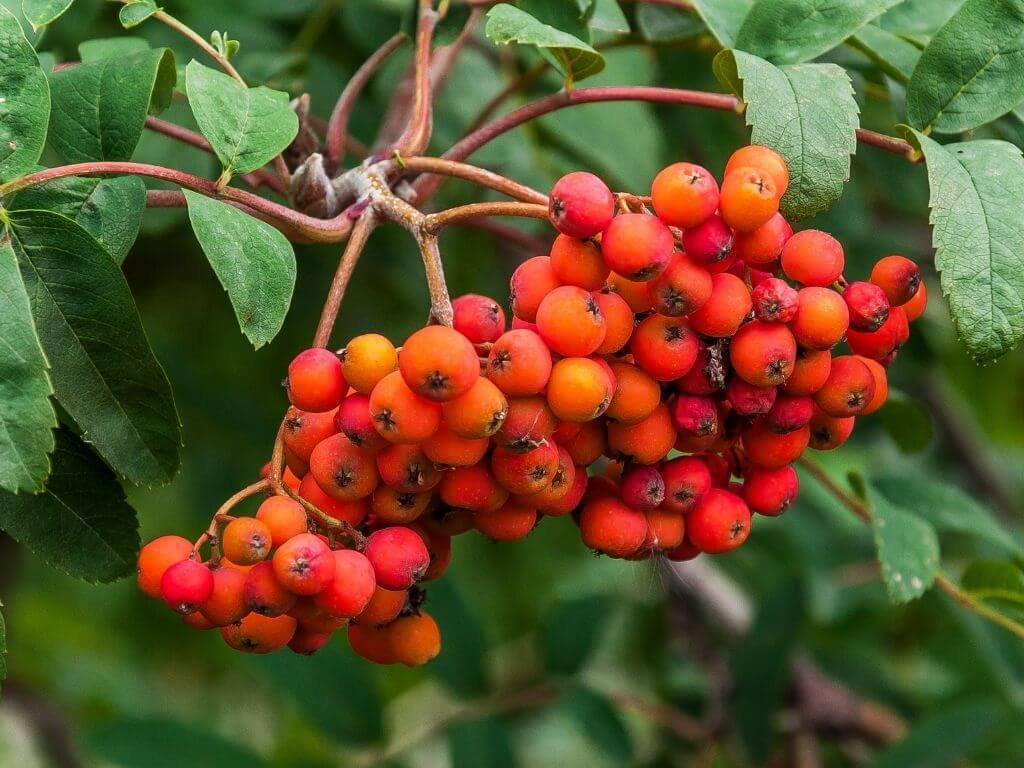
After picking, rowan berries will need to be frozen before they can be used. This makes them sweet and juicier. Usually, it would be left to first frost to do this, but quite often now we don’t see very cold weather until January and February thanks to global warming.
Rowan berries can be used to make wine, ketchup, jams and jellies. They are often paired with other ingredients such as rosemary or apples.
Sweet Chestnuts
Before collecting sweet chestnuts it’s important to learn to differentiate between these and conkers, which are inedible. Sweet chestnuts have a pliable spikey casing, whereas conker casing is spikey but very hard. Chestnuts come in threes and are triangular whereas conker shells usually contain one or two conkers that are round in shape.
Chesnuts can often be plentiful after strong winds have blown them from the trees. Unlike other nuts, they contain a lot of carbohydrates and not much protein. However, there are plenty of ways to use them in cooking.
Chestnut pairs very well with chicken so makes a great addition to stuffing as well as the main ingredient in Chestnut soup or Chestnut risotto. They can also simply be roasted.
Other foods to forage in November
Cowberry, Wood Sorrel, Navelwort.
Final Foraging Tips
Before you go foraging, it’s best to get yourself well acquainted with any local bylaws that may be in place that may prevent you from foraging in certain places.
It’s also well worth purchasing a foraging guide that will help you identify various plants, berries, nuts and leaves that can be eaten, but more importantly, those that aren’t edible. If you are ever unsure if something is safe to eat, then it is definitely better to leave it where it is than risk being ill.
Personally, I love making homemade jams and jellies and it always makes me think of simpler times when these preserves would have been made in large quantities to see families through the winter.
Finally, enjoy! Foraging is a brilliant way to get outdoors and enjoy nature as well as learning about different plants and trees as well as maybe trying out some new recipes.



Interesting post! Foraging is certainly a frugal way of living, and it’s also a nice way to get out and about in some green space!