How To Save Money When Moving House
This post may contain Affiliate Links
This is a collaborative post
It’s often said that moving house is one of the most stressful things you can do especially if it’s your first time moving. It’s also one of the most expensive.
While it’s easy to get bogged down worrying about the costs of the big things such as solicitors fees and stamp duty, it doesn’t take long for the smaller costs to start escalating too. Here are my top tips on how to save money when moving house.
Save Money When Moving House
1. Track Your Spending Carefully
Keeping track of every single penny you spend on the move should really help to see where your money is going.
Be sure to track every single thing – from the removals man to last-minute bubble wrap from Amazon!
It’s also worth factoring anything you buy for the new house such as cushions, crockery and so on. Being able to see what you’ve spent in black and white should help keep you on track and prevent needless overspending.
2. Find Cheaper Removals
It’s always worth shopping around no matter what you’re buying and when choosing a removals companies it’s no different.
What you’ll actually need here, will, of course, depend on your individual circumstances. If you’re a first-time buyer still living at home you may be able to get away with just doing a few car journeys.
If you have a bigger house and more furniture to move you’ll definitely need to hire a removal service.
There are lots of options when it comes to this too – from people that come in and pack everything for you to the super budget option of self-drive (think I’d be too scared to do this myself!)
As an alternative, you could also look at hiring a man with a van. You could find the cheapest man and van in London or wherever you live and save a fair bit of money. Most companies will provide a free quote so it’s worth getting a few so you can compare them.
3. Source Boxes and Packing Materials for Free
Timescales for moving house can vary significantly – it can be anything from a couple of weeks if you’re moving from a rented or council property to well over a year if you’re buying and stuck in the middle of a chain.
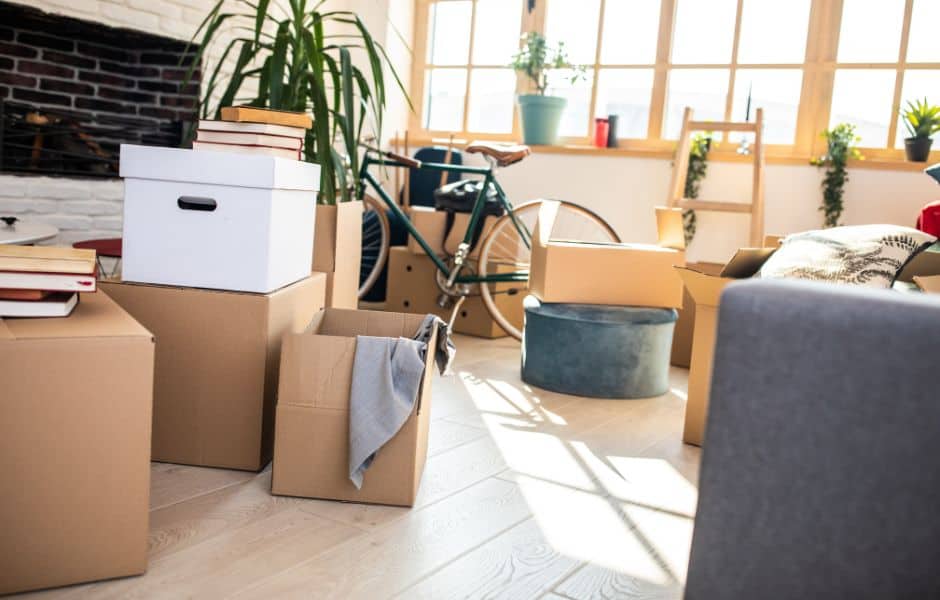
One advantage of having longer is being able to source items you need for moving for free. In particular, it’s fairly easy to start stockpiling boxes and materials for packing.

As well as keeping the boxes from anything you order and use yourself, you could also ask friends and family to keep boxes and bubble wrap back for you.
It’s also worth trying local supermarkets or pubs to see if they have any they can spare – when I worked at a pub we’d have two large frozen food deliveries week, resulting in loads of boxes which just got binned – we were always happy to people to take them and to see them being put to good use and of course this was better for the environment too.
To keep precious items extra safe, you might want to order extra packing materials such as foam or packing peanuts.
4. Pack Items Well
Be careful and use common sense when packing. Ensuring delicate and breakable items are well wrapped should ensure they remain intact, thus avoiding the need for costly replacements. Make sure boxes are sturdy and well taped up as well as labelled with the contents and the room they need to go as this will save loads of time come moving day. Children’s stuffed animals and pillows both make great last-minute fillers for boxes that might need topping up.
It’s also worth making sure all the packing and disassembling is done before your removal men arrive – they will be working to a timeslot based on information that you provided – if they go over this you could end up being charged more.
5. Move Your Bills
Make a list of all the bills you currently pay with your house and remember to move and cancel them as needed. It’s not worth getting billed for two different addresses or not being billed for months and ending up with a huge debt to pay further along the line. It’s also worth seeing if you’re able to switch to a cheaper supplier and save money on your energy bills.
6. Stick To Budget Homeware
It’s quite normal to want new homeware for your lovely new home, but it’s worth being a bit strict and only buying things that you need.
Even bigger items can be purchased second-hand, or you could upcycle furniture you already have into beautiful new pieces.