Helping a Relative Stay In Their Home
This post may contain Affiliate Links
This is a collaborative post
As our older family members get older, there can sometimes be the need for modifications to be made to their home for them to be able to remain there. This is often the best course of action for all involved – it’s less costly than a house move and the relative is able to stay in a home they are familiar with.
So, you may be wondering what you can do to make a house more accessible, easier to get around and generally safer for someone who wants to remain living there but maybe, for example, be less steady on their feet than they once were or who perhaps has eyesight that is deteriorating.
Helping a Relative Stay In Their Home
One of the best ways to start is by making a plan of their house and outlining all the areas that could post a problem, such as the stairs, bathroom, kitchen, uneven surfaces or areas that might become slippery when wet.
Tackling the Stairs
Stairs are one of the biggest areas that need to be tackled when it comes to making a home easier to get around and there are a few options available depending on the size of the house in question.
One option, providing there is space, is to move a bedroom downstairs so the stairs are no longer an issue. However, this only works if there is a downstairs bathroom that can be used.
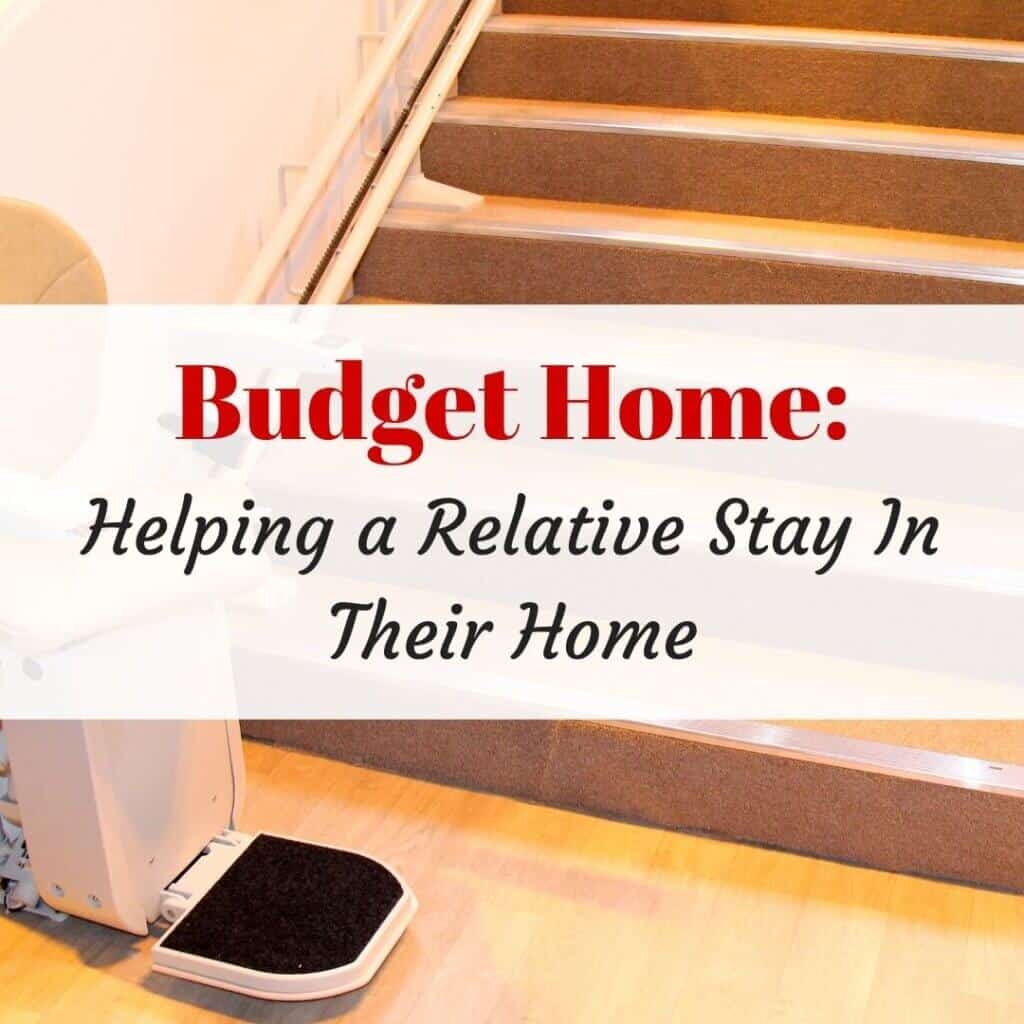
The next, and probably most often used solution is to install a stairlift. The cost and installation can vary quite a bit so you’ll want to research stairlift prices thoroughly and find the one best suited to your needs.
Another idea would be to install a lift, but this is a costly option which requires a large amount of space and some serious building work to the home too.
Bathroom Modifications
The Bathroom is fairly easy to make a safer space and the lengths you’ll need to go to will depend on the needs of the person you are making the modifications for.
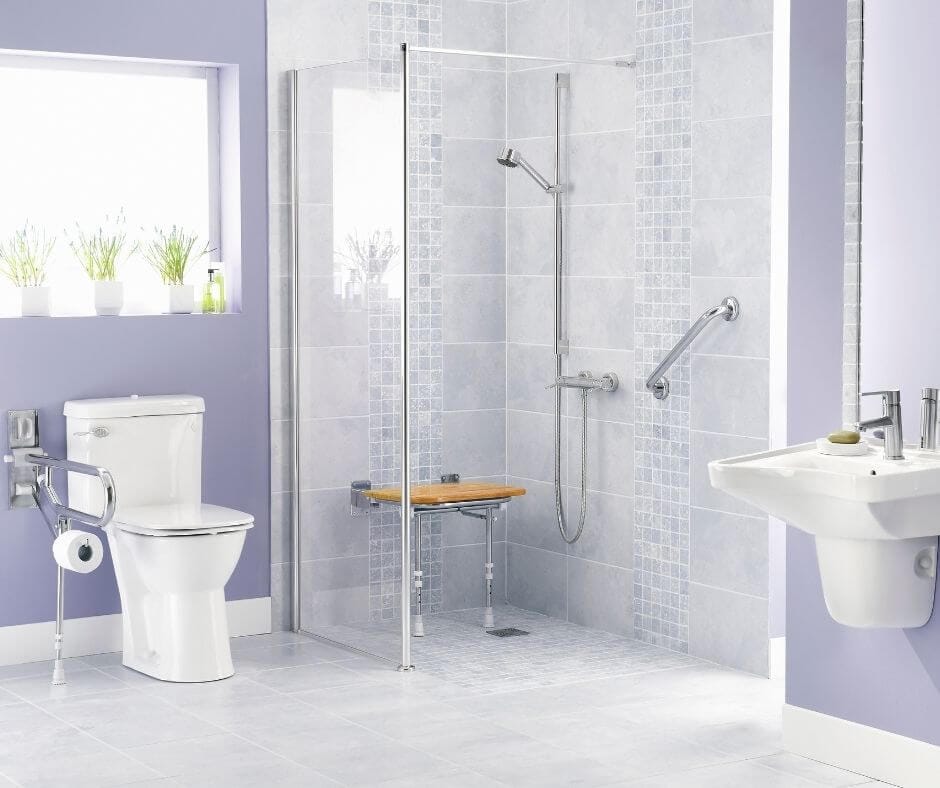
Some of these are fairly simple to install yourself, others you may need to get a builder or other professional in to help you with.
- Install handrails and grab rails.
- Ensure everything is fixed to the walls such as the toilet roll holder and hand towels meaning there is nothing that can be knocked over, posing a hazard.
- Consider a walk-in shower or wet room for easier access.
- Rubber flooring is non-slip and a softer landing should a fall occur.
- Lever taps are easier to use for those with visual impairments than traditional style taps.
- Automatic lighting saves having to find light switches in the dark.
Accessibility
Making a home more accessible overall can be both easy and tricky in equal measure. Simple things such as adding handrails, keeping walkways clear and ensuring frequently used kitchen items are within easy reach are easy ways to make a big difference.
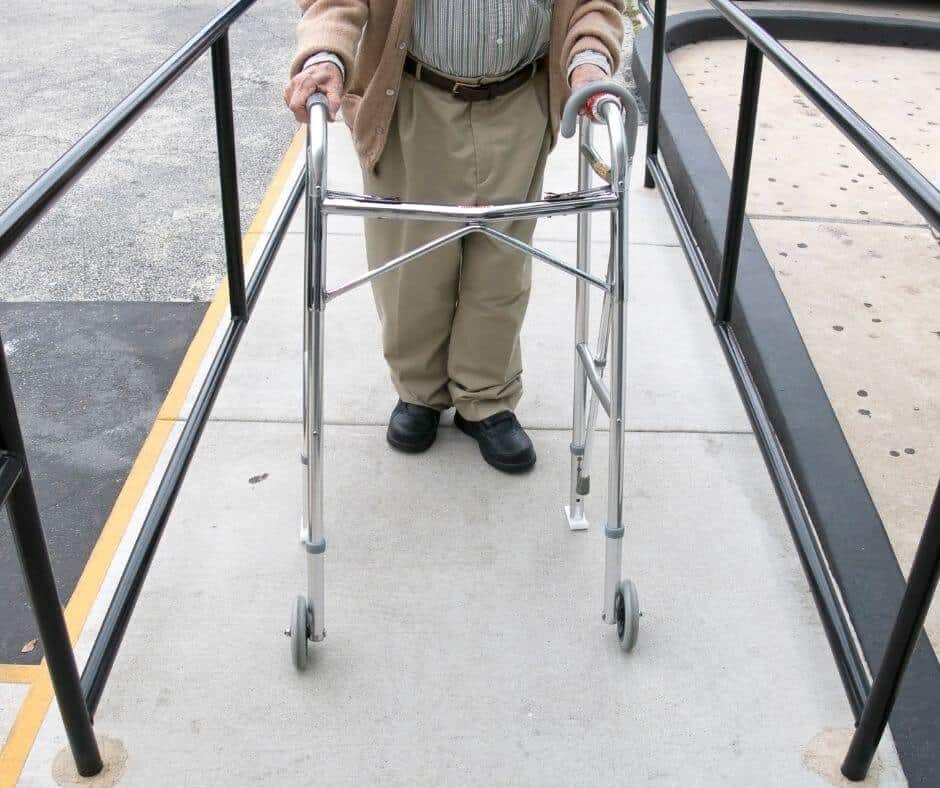
However, making a home wheelchair accessible, for example, can be more difficult. Doorways may need to be widened and adding permanent ramps can be a big and costly job, provided there is space to do so to begin with.
You may want to look at accessibility outside of the home too, such as applying for a designated parking space if you do not already have one. If you are unsure of exactly what you need to do, it may be worth seeking the advice of an occupational therapist.
All in all, there are plenty of things that can be done to make a home safer and more accessible which should allow a person to remain there, even if their health has begun to deteriorate. While the costs can vary, some simple adjustments should be well within most people’s budgets, allowing elderly family members to enjoy their homes for much longer.
If you are worried about an elderly person living alone there are assistive technologies like a personal alarm that can be used in the case of a trip, fall or general emergency. Personal fall alarms can detect when an elderly person has had an accident and depending on the system you get you could get one that phones the emergency services automatically.