
Reverse Advent: Donating To Food Banks
This post may contain Affiliate Links
Food poverty in the U.K is real and life has been made considerably harder for many who were on the breadline already with the introduction of universal credit.
While U.K food banks really do appreciate all donations there are plenty of things you can do to ensure your donation is exactly what they need and will be the most possible help to someone in need. Here are some things to consider when donating to your local Food Bank during reverse advent this year.
Reverse Advent: Donating to Your Local Food Bank
Last year the U.K Money Bloggers all got together and ran a campaign to encourage their readers to donate food to their local food bank called reverse advent. The general consensus was that it was better to start collecting food during November and donate at the beginning of December so the Food Banks had time to distribute food to those in need in time for the festive period.
This year we’re doing again – you can read all about the campaign and how to take part over at U.K Money Bloggers.com
Using cashback apps and freebies last year I was able to donate a huge box full of food (pictured below) to my local food bank and it actually cost me next to nothing – just a little time and effort which I was of course happy to do for such a good cause. See my post all about the campaign and how it works here.
While I fully intend to do the same thing again this year, I’ve been giving some serious thought to what my local food bank might actually need and how my donations can go even further towards helping those in need. Before I continue though I’d like to share some statistics from the Trussell Trust website.
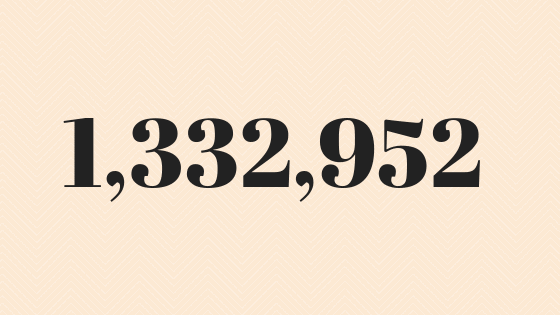
This is the number of three-day emergency food supplies given to people in crisis by Trussell Trust foodbanks in the financial year 2017-2018 credit: The Trussell Trust
During April 2017 – September 2017: 586,907 three day emergency food supplies were given to people in crisis in first half of last year, a 13% increase on the same period the previous year – 208,956 of those were to children. credit: The Trussell Trust
Those statistics are shocking, but donating to your local food bank can really help those who need it most.
Here are 5 Things to Consider When Donating to Your Local Food Bank
1. Are you donating something they need?
When I pass the food bank collection bins in my local supermarket they are often filled with an abundance of the same few items; Pasta, Rice and Biscuits. While I can completely understand why people are donating these items – they are cheap to buy and have a long shelf life – many food banks do get inundated with them and those few items alone are only going to go so far.
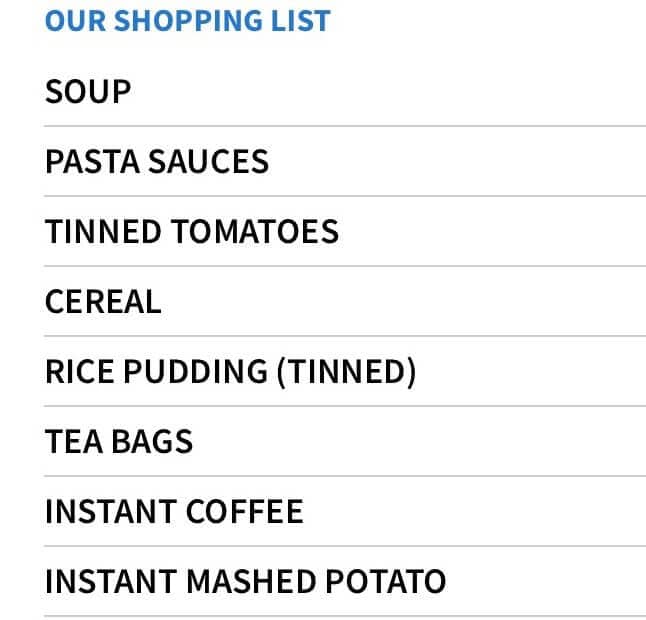
When it comes to donations try asking your food bank what they actually need. Many are crying out for items like tea, coffee and UHT milk. Try thinking about how you would feel in that situation – would you want to go without your morning cuppa?
It can also help to think about donations in terms of daily meals which is how parcels are made up at food banks. You could donate a box of cereal and a carton of (UHT) milk (breakfast) A packet of pasta in sauce (lunch) a tin of beef stew and a packet of Smash or tinned potatoes (dinner). While food banks don’t accept fresh fruit and vegetables there is a huge range of tinned products to choose from that would help ensure those who do need to use a food bank get something nutritious too.
2. Be mindful of Fuel Poverty
Being mindful of Fuel Poverty is something else to consider when donating to your local food bank.
Those who are in need enough to be using a food bank may only be able to afford very little gas and electricity to cook and prepare meals.
With this is in mind, consider donating ‘instant’ foods such as packet noodles, smash, or anything that can easily be microwaved rather than heated on a stove – while not always the most nutritious they can be made quickly and easily without much electricity or gas being needed.
Things like these John West Light Lunches make a great donation, while they are expensive they are a whole meal, that doesn’t need heating, they provide one of your five a day and are tinned so have a long shelf life.
A quick example:
A Frey Bentos Deep fill pie may seem like a perfect donation – it’ll feed a family and is tinned so lasts for ages. However, it can take up to thirty minutes in the oven to cook. A tin of stew, however, will take just three minutes in the microwave, a much better option.
3. Knowing what they Don’t accept
It’s worth making sure you know what your local food bank does and doesn’t accept as there is no point in donating items they are unable to use.
No food banks will accept alcohol or tins and packets that are dented or damaged.
Avoid donating fizzy, high-sugar drinks as your money could be spent on much more valuable donations like a bottle of squash that would last a lot longer. Stick to small of family-sized packets as food bank parcels only contain three days worth of food and often they won’t have resources to repackage and redistribute bulk donations.
4. Toiletries and Sanitary products are always welcome
Some more statistics for you now: Source: Global Women Connected
Period poverty is one of those things we don’t talk about enough.
While there have been some campaigns recently by some of the big brands to raise awareness there is still not enough being done to address this issue.
Rather than donating food, think about donating sanitary products instead – I know many women will sympathise with how hard must be not to able to afford the items you need to deal with your period.
As well as sanitary products, those in need of a food bank parcel may also not be able to afford other basics such as toothpaste, soap, shampoo and conditioner, and toilet roll – so donations of these are always welcomed.
Asda does shower gel for as little as 40p a bottle and a three-pack of soap from £1. They also sell a 3 in 1 shampoo, conditioner and shower gel for 85p which ticks all three boxes in one go.

5. Double Check The Dates
It’s always worth double-checking the dates on any food you plan on donating to your local food bank.
While some food banks may be happy to use some tins and products that are a little bit over their best before the end date, anything that is years over is likely to be unusable. It’s often suggested that in the run-up to Christmas, we donate treats such as mince pies and yule logs.
While this is a lovely idea many of these in-store now (October) go out of date long before the big day itself. Double-check the dates on these items and donate these items nearer to Christmas.
Other Ways to Help Your Local Food Bank
There are lots of ways you can help your local food bank aside from or as well as donating. The biggest way is volunteering your time but other ideas could include helping to co-ordinate donation events.
Many offices have an advent food bank box in the run-up to Christmas – encouraging donations and dropping food off could really help. Food banks often appreciate donations of strong carrier bags and canvas bags too for those collecting donations.
If you have a big birthday coming up why not ask for food bank donations instead of birthday gifts? A lady from my home town recently did this and her party guests were more than happy to oblige.

Give Your Food Bank Donation Some Thought
It pays to give it some thought when donating to your local food bank some thought and those in need will benefit from your donations so much more.
Here are a few last ideas on how to plan your food bank donations if you’re planning on taking part in the reverse advent calendar campaign this year.
-
I love finding food freebies and have a load of cashback apps and coupons that help me do this. If there are free product that I won’t use I buy them anyway and donate. In November I donate all items I get for free to my local food bank – see this post for more details.
-
You could try donating food in terms of what someone would need in a day – cereal, UHT milk and teabags (breakfast) Pasta and tinned meatballs (lunch) tinned stew and smash (dinner) and tinned fruit, biscuits (snacks)
-
Try a £5 challenge. See how much food you can get for a fiver and donate the lot. Basic/own brands are great for getting more for your money and you might be surprised at how far it goes.
-
Put together a package with everything a family would need for Christmas lunch (minus the meat) this could include gravy granules, stuffing mix, a packet of batter mix for Yorkshire puddings, tinned carrots and peas, cranberry sauce, tinned potatoes and a Christmas Pudding and custard and mince pies.
-
Don’t forget the pets – donating cat food and dog food can also be huge help to those struggling that also have animals to care for.
-
Some folks like to donate one item a week which they pick up with their weekly shop and donate as they leave the store. This is a brilliant way to donate as it supports the food bank all year and you’ll barely notice the cost of that one extra item – especially if it’s something on offer.
Will you be taking part in a Reverse Advent Calendar this year?



Really helpful advice about what to donate to food banks – and what to avoid. Great point about how long Fray Bentos pies can take to cook, versus a tin of stewing take. Will bear that in mind when filling a box for #Foodbankadvent!
This is great advice, thank you. I’m taking part this year in donating and I haven’t done it before so going to start with contacting my local food bank to see what they need- thanks for posting.