How To Choose The Best Fabric Sheets For A Great Night’s Sleep
This post may contain Affiliate Links
This is a collaborative post
Did you know that we spend almost a third of our life in bed?
Whether it’s time to replace your current bedding due to wear and tear, or perhaps it’s no longer comfortable, researching the perfect sheets can easily lead to information overload.
If you’re feeling inundated in thread counts, fabrics, weaves and more, here is some handy advice to cut through the confusion and find the perfect sheets for a great night’s sleep.
Deciphering thread counts
Thread count relates to how tightly woven fabric is and is used as a rough indicator of the softness and feel of a fabric. There’s no magic number when it comes to the ‘perfect’ thread count, with a lot more to consider.
The quality of the thread used, the manufacturing process and the weave type all contribute to whether sheets are comfortable or not.
Like all things, it’s important to prioritise quality over quantity and the same is true for the thread count of your sheets.
If a thread count seems too good to be true it’s worth being suspicious; it might be made of multi-threaded yarn that could disintegrate after just a few uses.
Different fabrics and weaves will also affect what an ‘deal’ thread count might be – for example, thread count isn’t as useful for linen sheets and silk, while microfibre, flannel and jersey do not use thread count as a measurement.
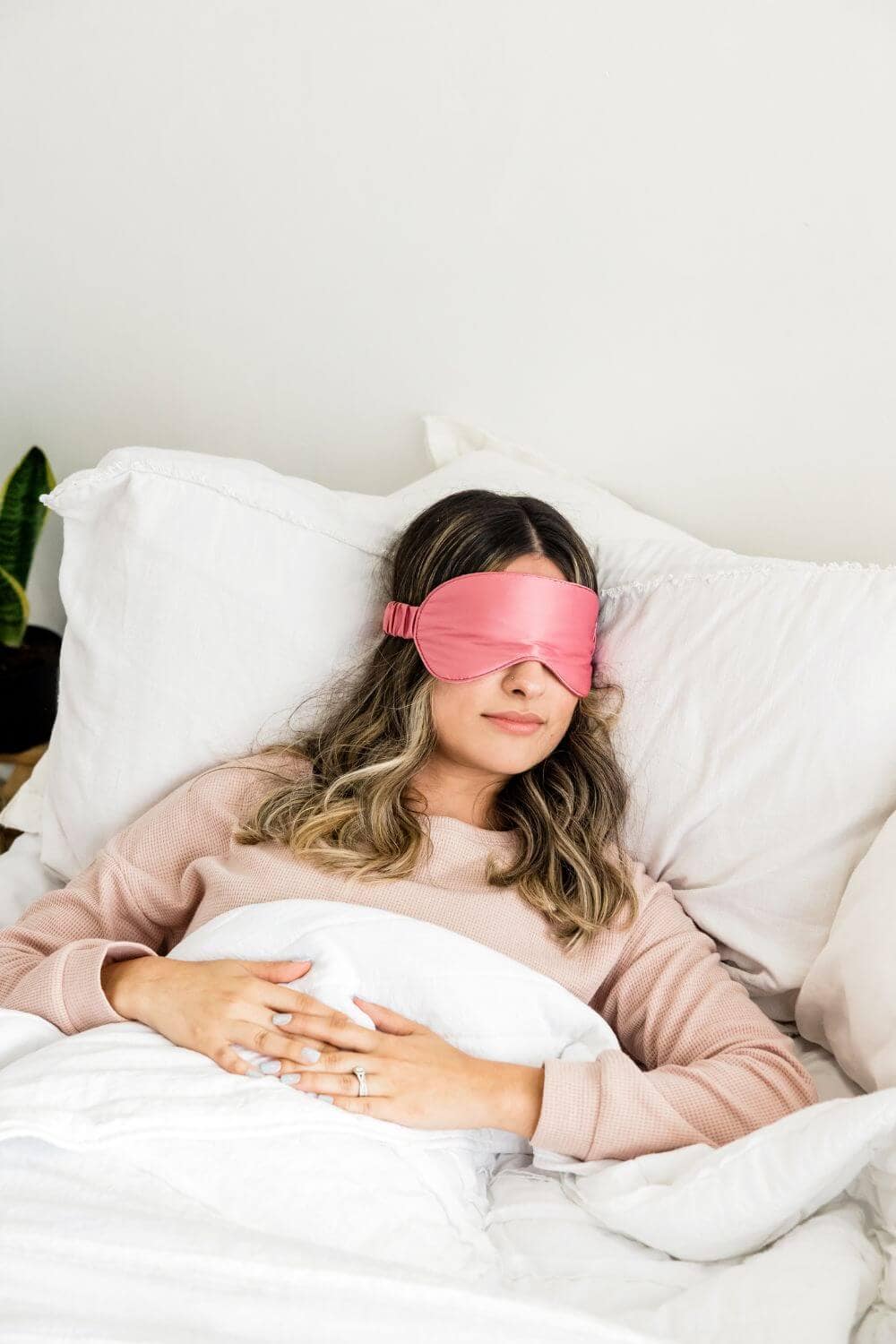
Hot sleeper? Cool? Fabric can make all the difference
Natural fibres like cotton, bamboo, or linen are ideal for wicking away perspiration and avoiding the sweaty, sticky feeling of synthetic fabrics, like polyester or rayon.
When the weather is warm, or if you tend to run hot in bed, a thread count of 200 and 400 will feel smooth and soft and allow your body to breathe.
This will prevent you from overheating and keep your melatonin levels – your sleep hormone – in the optimum range for a good night’s sleep. In winter, consider a thread count above 400 to trap heat and stay cosy.
Cotton
Egyptian cotton is a premium option that offers supreme comfort as it has the longest staple fibres, making it softer and more luxurious. Pima is a more affordable version of Egyptian.
Organic cotton, as well as being a more ethical choice, is great for those with sensitive skin as the lack of chemicals reduces the impact of any potential irritants. It also tends to be more durable for the same reason.
One benefit of cotton sheets is that it is available in a range of different weaves, making it very versatile. However cotton doesn’t insulate well, meaning you might need an extra blanket if you get cool at night.
Some weaves include:
- Sateen, which provides a softer feeling on your skin and is more wrinkle-resistant.
- Percale is known to be crisp and firm, perfect for hot summer nights.
- Jersey is knitted rather than woven, making it slightly stretchy. This makes it cosier, like your favourite old T-shirt.
Linen
Linen sheets are a luxe option that will naturally regulate your temperature, keeping you cool and fresh in summer and cosy and warm in winter.
This makes it a perfect trans-seasonal choice, and also a great pick if you sleep with a partner who prefers a different temperature to you. Linen is also eco-friendly, utilising less water and fewer pesticides to cultivate. The more you wash linen sheets, the softer they will become.
Bamboo
The soft, silky feel on your skin has made bamboo increasingly popular in recent years. Being non-absorbent, it also shouldn’t discolour due to body oils and sweat, and it’s hypoallergenic and antibacterial.
When cared for correctly, bamboo sheets can be extremely durable; just make sure to follow washing instructions and stick to air drying or tumble drying at a low temperature. As a renewable and sustainable resource, bamboo is also an eco-friendly choice.
Silk
Silk sheets are sumptuous but not overly suitable for warm climates. Perspiration can easily weaken silk and it’s best to have silk sheets dry cleaned, making it an expensive choice for everyday use.
Consider your new sheets an investment in a good night’s sleep
If quality bedding feels expensive, try reframing your purchase as an investment in a good night’s sleep, and something that will make a positive change to your overall wellbeing. The good thing is that if washed regularly and cared for properly, quality sheets should last you for many years.
Care tips
To extend the lifespan of your sheets, make sure to use a natural detergent and wash at no higher than 40 degrees to keep them feeling soft. Avoid using bleach as it can weaken the fibres and air-dry where possible.
If you’re struggling to get a good night’s sleep, investing in a set of high-quality sheets in a fabric that matches your sleep style is a brilliant way to help you wake up feeling fresher and more rested in the mornings.
It’s important to be cool enough to fall asleep comfortably, but not so cool that you wake up during the night. The perfect set of sheets will give you sweet dreams for many years to come.