Five Tried And Tested Ways To Remove Moisture From Bathrooms
This post may contain Affiliate Links
This is a collaborative post
Bathrooms are an essential part of our home, but because of the way they’re used, they’re also one of the hardest to maintain. One of the most common problems is excess moisture.
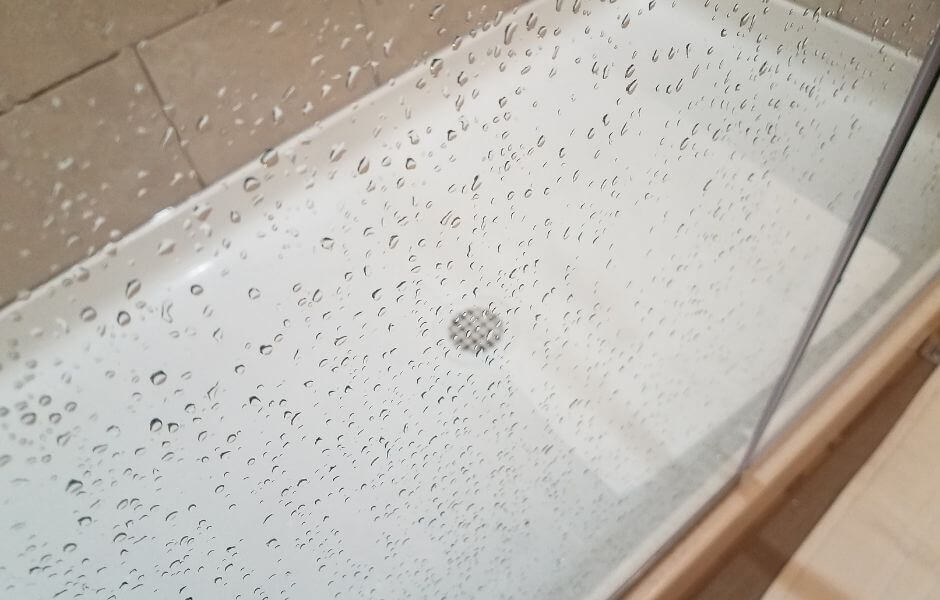
Long soaks in the bath or shower, coupled with the cold surfaces of tiles, glass and mirrors, can leave your bathroom full of steam and condensation. Left alone, this can create a damp bathroom full of mould and mildew, making it hard to clean and unpleasant to be in.
So, what are the tried and tested ways to solve this problem? Here’s how to remove the moisture from your bathroom.
Fit a fan
Installing a bathroom extractor fan is one of the most effective and practical solutions. Most models can be fitted on a ceiling or exterior wall, so there are very few bathrooms that aren’t suitable for a fan. They can be hooked up to your light switch, so there’s no need to worry about remembering to turn it on and off. This makes an extractor fan very handy.
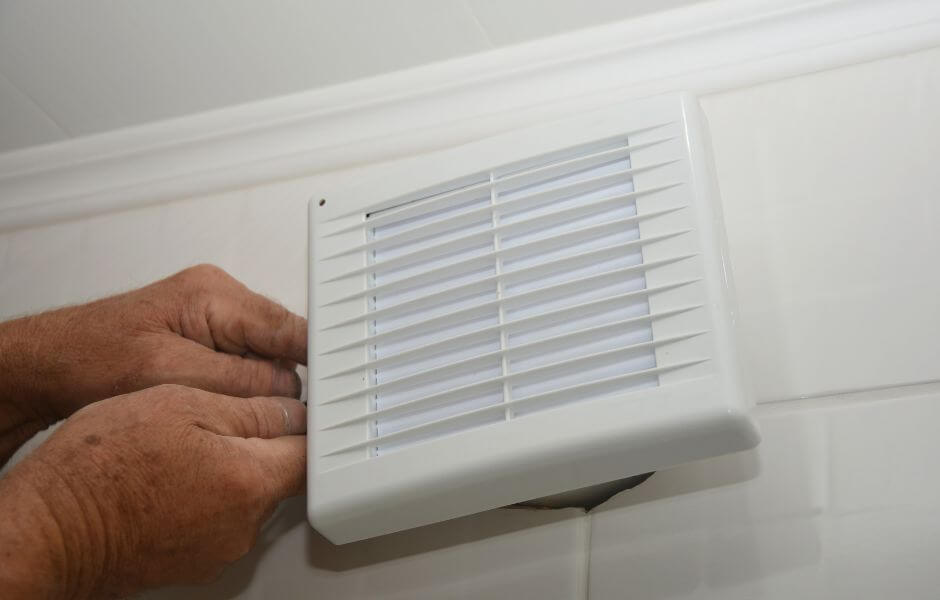
As it’s an electrical device that’s going in a room where there’s a lot of water, you really want a qualified electrician to install it to ensure it works safely. However, it’s a straightforward job for a professional to do, so it shouldn’t take too long.
Use a dehumidifier
Sometimes, an extractor fan alone is not enough to take away all of the excess moisture in your bathroom. Especially if it’s a busy family bathroom. That’s where a dehumidifier can help.
Dehumidifiers are plug-in devices, so they’re easy to set up and use whenever you need them. They collect the moisture from warm, humid air and deposit it in a tank, which you can empty down the drain. Some models have humidity level functions, so they’ll automatically run until your bathroom’s moisture levels are back to normal.
You’ll find a dehumidifier most useful when walls are getting damp and aren’t drying out naturally. It can help stop mould from forming and keep your home safe and in good condition.
Absorb the moisture
Dehumidifiers do have a drawback, and that is they need a plug socket nearby. If you don’t have one just outside your bathroom, this can make a dehumidifier tricky to use. As they’re floor-standing, they can also be too cumbersome to fit in small shower rooms. So, what’s the answer? Well, you could try using moisture absorbers. These are low-tech versions of a dehumidifier that use crystals to soak up excess moisture from the air around them.
The great thing about these is they’re small and can be popped on a windowsill or shelf, so they work really well in tiny bathrooms. However, they can only take away a limited amount of moisture and are designed to tackle a small area, so they’re best used alongside a fan or good ventilation.
Suck up condensation
A condensation vacuum is another nifty device that can help keep bathrooms dry and free from damp. This handheld gadget, also known as a window vacuum, works like a squeegee, So, you run it directly over glass surfaces that are wet. This means you can dry up windows, shower screens and mirrors in a jiffy.
Doing this reduces the moisture that hangs around after bathing. It can help shorten the time your fan needs to run and keep water from running down and pooling on seals and sealant. This, in turn, can reduce mildew, which is a pain to remove from silicone.
Wipe it away
Of course, you don’t need to use expensive technology and clever gadgets to keep excess bathroom moisture at bay. Highly absorbent cloths such as micro-fibre pads do a perfectly good job. It just takes a bit more effort.
Wiping down your bath or shower area after use means there isn’t lots of water hanging about in your bathroom. So, run a clean cloth over cubicles, baths and screens, as well as mirrors and windows to help your bathroom dry out quickly and reduce dampness and mildew. Like the condensation vacuum, it can reduce your fan’s running time and save the need to use a dehumidifier. Plus, a cloth works well on all wet surfaces, including tiles, shower heads and trays.